


Frantoio Ballarini
ONE OF THE MOST IMPORTANT HISTORICAL SYMBOLS OF THE WORKING CULTURE IN THE TRAMIGNA VALLEY,
THE HISTORY OF THE BALLARINI MILL
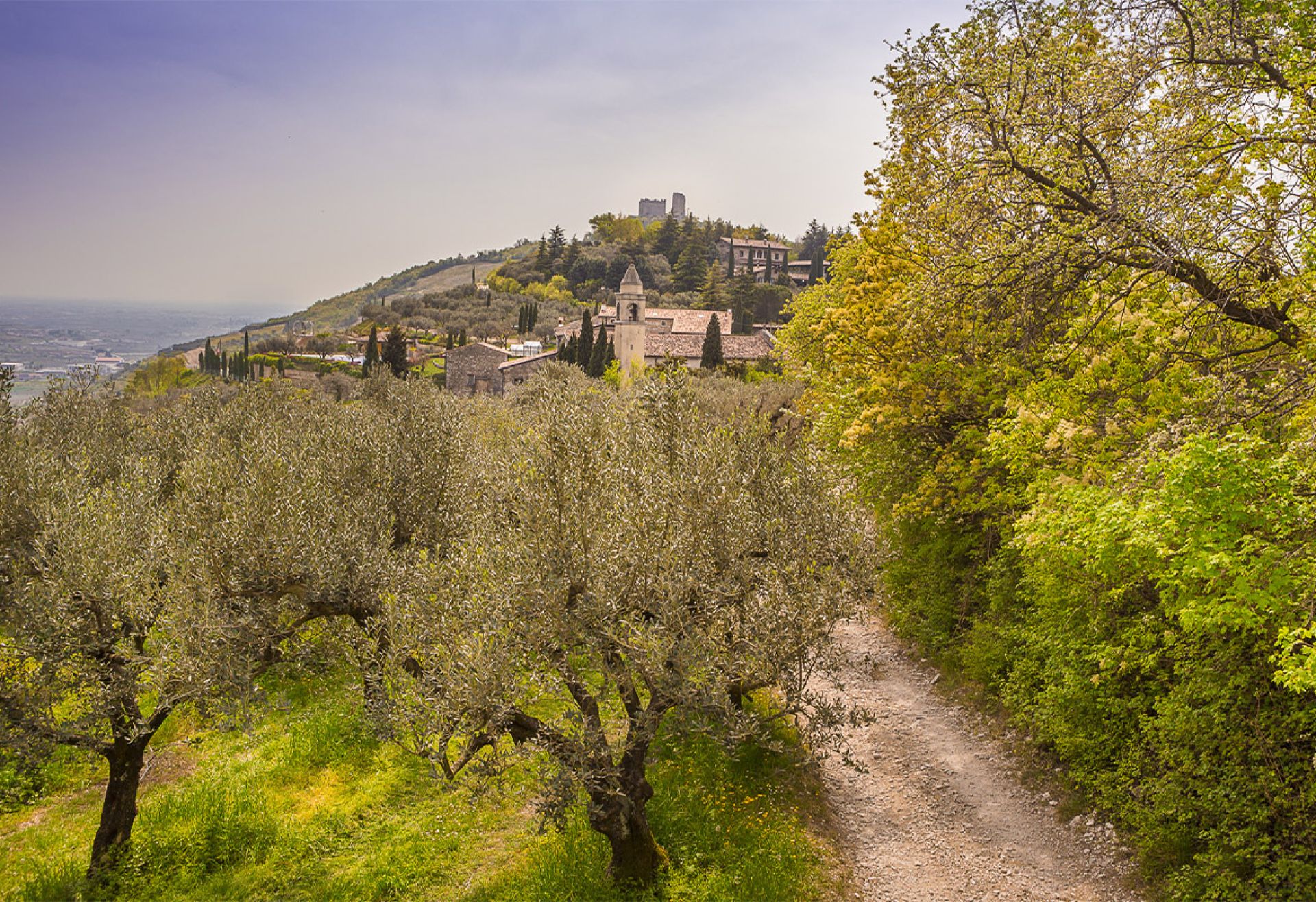
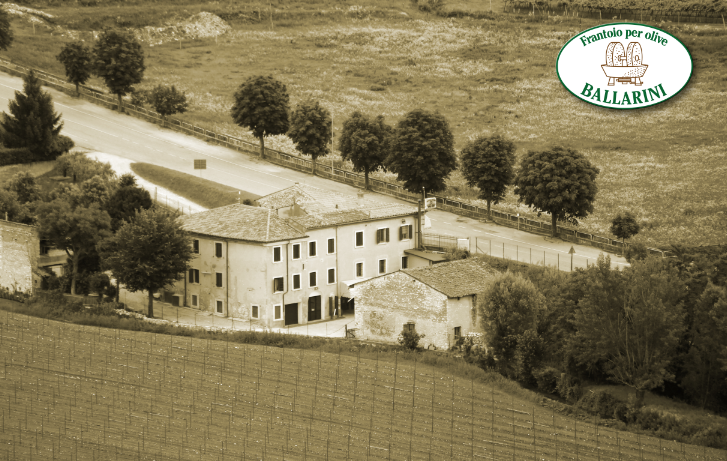
The Ballarini oil mill represents one of the most important historical symbols of the working culture in the Tramigna valley, the penultimate valley in the eastern part of Verona: being rich in water, it has recorded intense activity over the centuries related to grain and oil mills.
From 1200 traces can be found of the presence of the mill-crusher mill then owned by the Benedictine monks of Badia Calavena, in the neighbouring upper Illasi valley.
The Pompei Archive of 1705 (the archive of the latifundia family that occupied the land in part of the Valtramigna valley, which was granted by the Republic of Venice) records how the water of the Tramigna river fountain, the watercourse that runs through Cazzano di Tramigna and the most important of the Pompei fiefdom, was to be used: to irrigate the fields, to grind grain and for the common benefit at set times and days.
The limited availability of water from the adjacent Val d'Illasi gave rise, over time, to the continual ignition of conflicts.
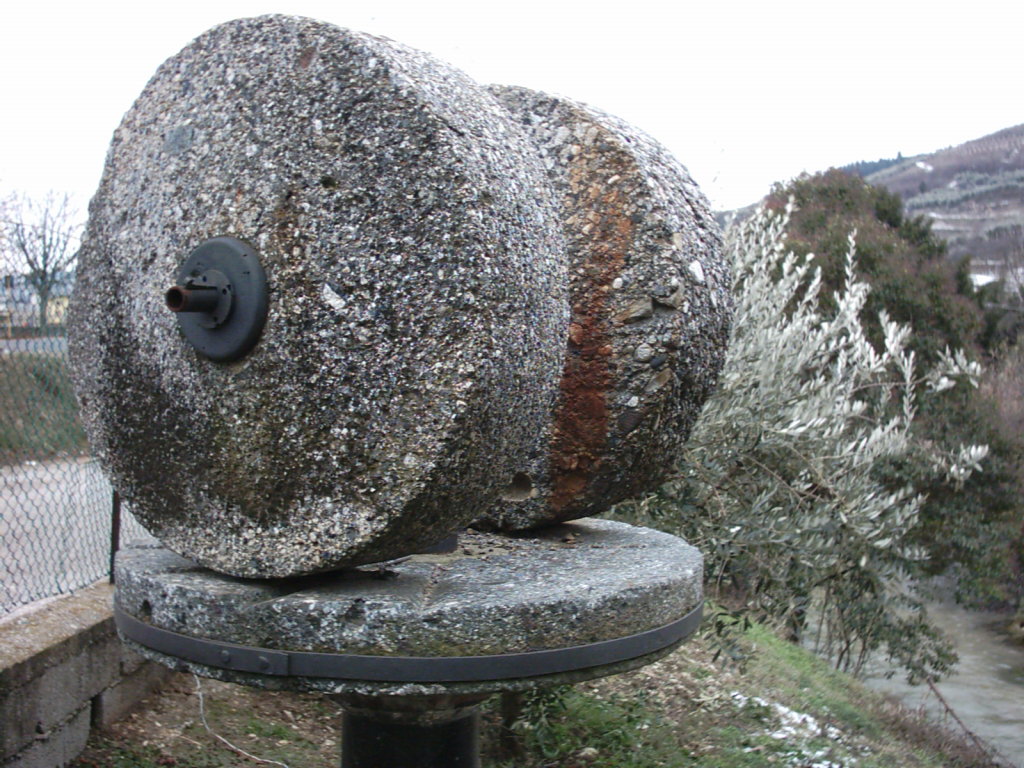
In 1827, the parish priest of Illasi, Don Vincenzo Ruzzenenti, bought it from the Counts of Pompei. The income from the mill was used to help the suffering of the poorest people in the parish. That is why it was called “the poor man's mill”. It had horizontal millstones. French millstones were used for small quantities of grain.
In 1852, it was sold to a “Opera Pia”, which had difficulty paying its taxes. So they were paid by the mill tenant Giobatta Marchi. After the national law obliged the concentration of the Opere Pie, the Congregazione di Carità was established. This took the money from the poor man's mill and invested it in public debt folders.
In 1915 the income from the poor man's mill went to the children of soldiers called up for war.
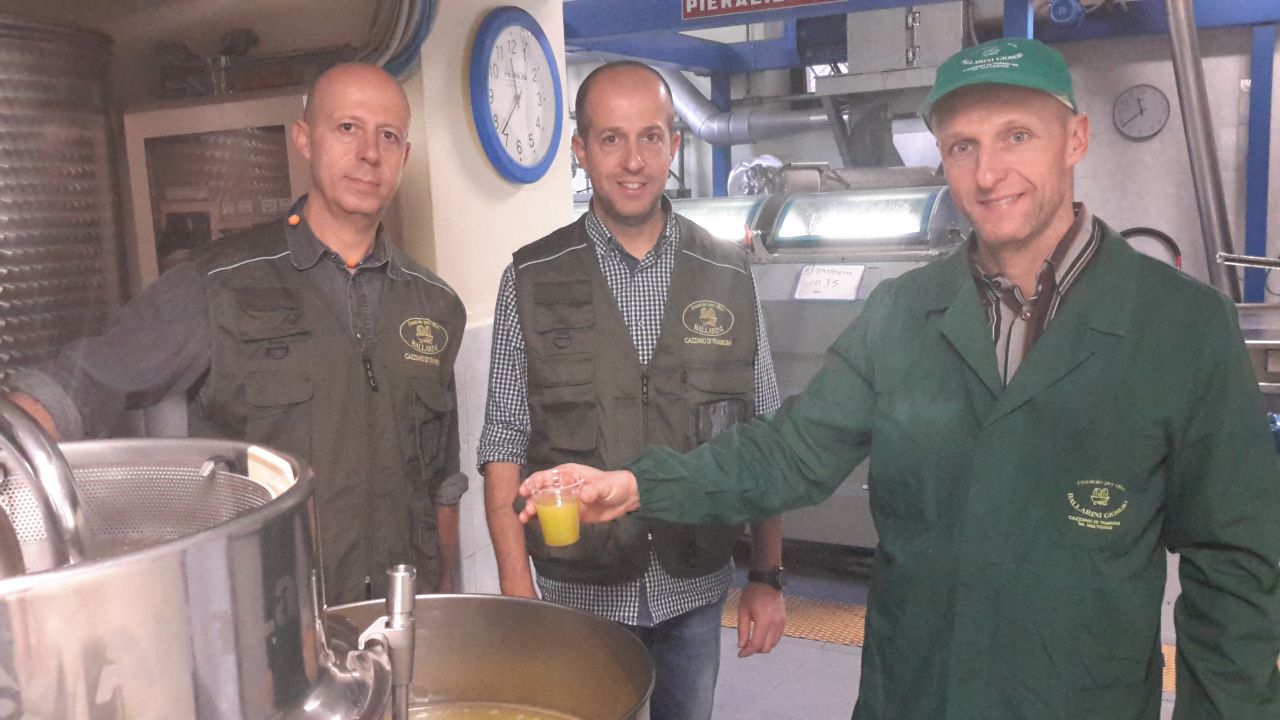
In 1926, the poor man's mill was bought by the Ballarini family and the mill's steady progress began from there. Today, the fourth generation of the Ballarini family works in the oil mill, with the same passion and tradition for oil production as always!
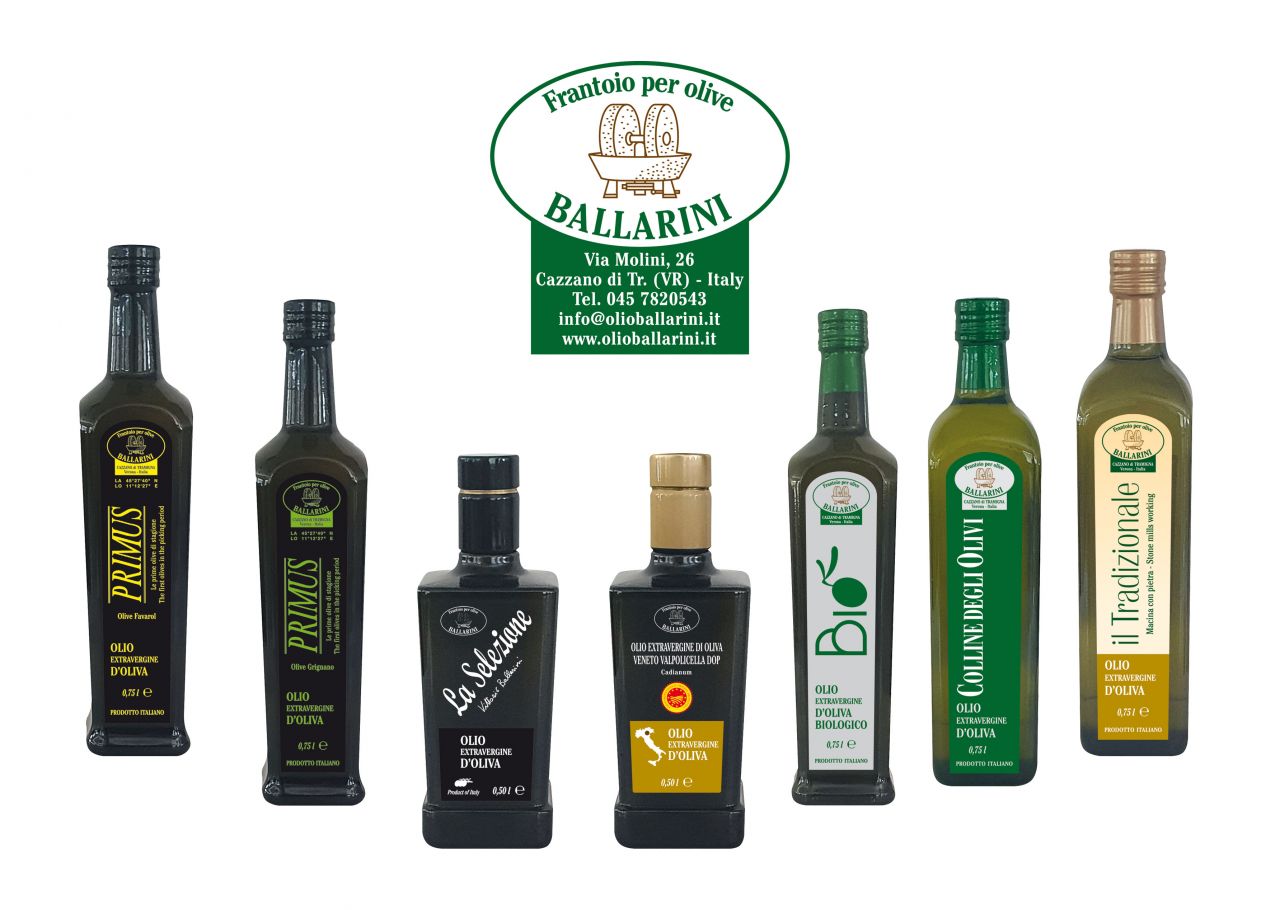
The mill is a point of reference for olive growing in the east of Verona as it also works for third parties and bottles for other farms both extra virgin olive oil produced in Italy and dop Veneto Valpolicella as well as organic.
Every year on the first weekend in November, there is a new oil festival with visits and tastings and sales at the mill with typical dishes and new oil in the country
Photogallery

Contacts