


Itinerary 4: Negrar
NATURE AMONG THE VILLAS
The name Negrar seems to derive from the late Latin Nigrariu, which means "place with black earth". The presence of man since prehistoric times is testified by the discovery of many flint artefacts dating back to the Paleolithic, and by the castles, fortified villages of high ground dating back to the Bronze and Iron Ages.
In Roman times the territory belonged to the Pagus degli Arusnatium, while the discovery of inscriptions dedicated to the cult of Jupiter and a villa confirm that the place was inhabited even in the Imperial age.
The entire valley is dotted with ancient and towering dovecote towers, isolated or inserted within courtyards and villas.
The municipality includes the villages of Arbizzano, Santa Maria, San Vito, San Peretto, Montecchio, Fane, Mazzano, Prun and Torbe.
Negrar was the birthplace of writer Emilio Salgari. the footballer Damiano Tommasi, the golfer Matteo Manassero and Giuseppe Zamboni, father of the perpetual electric motor.
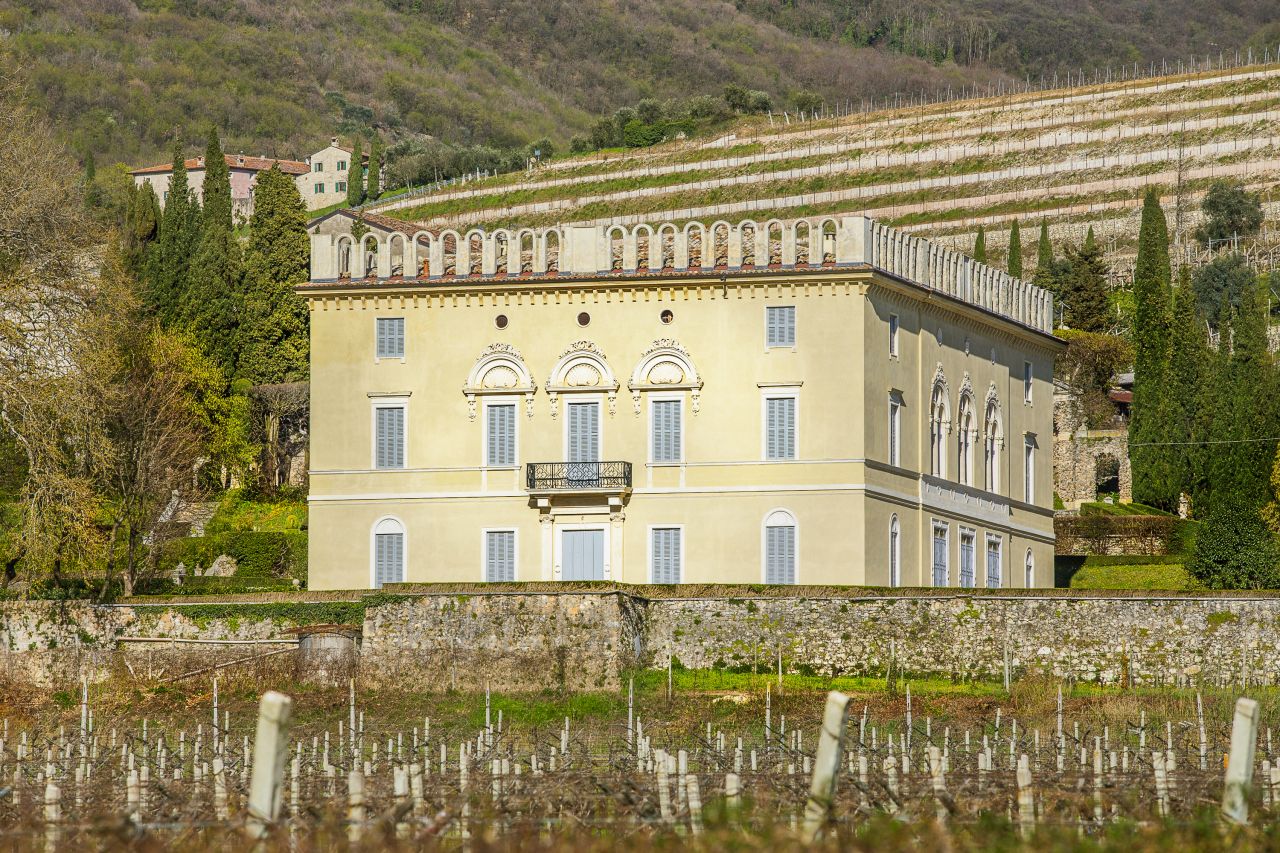
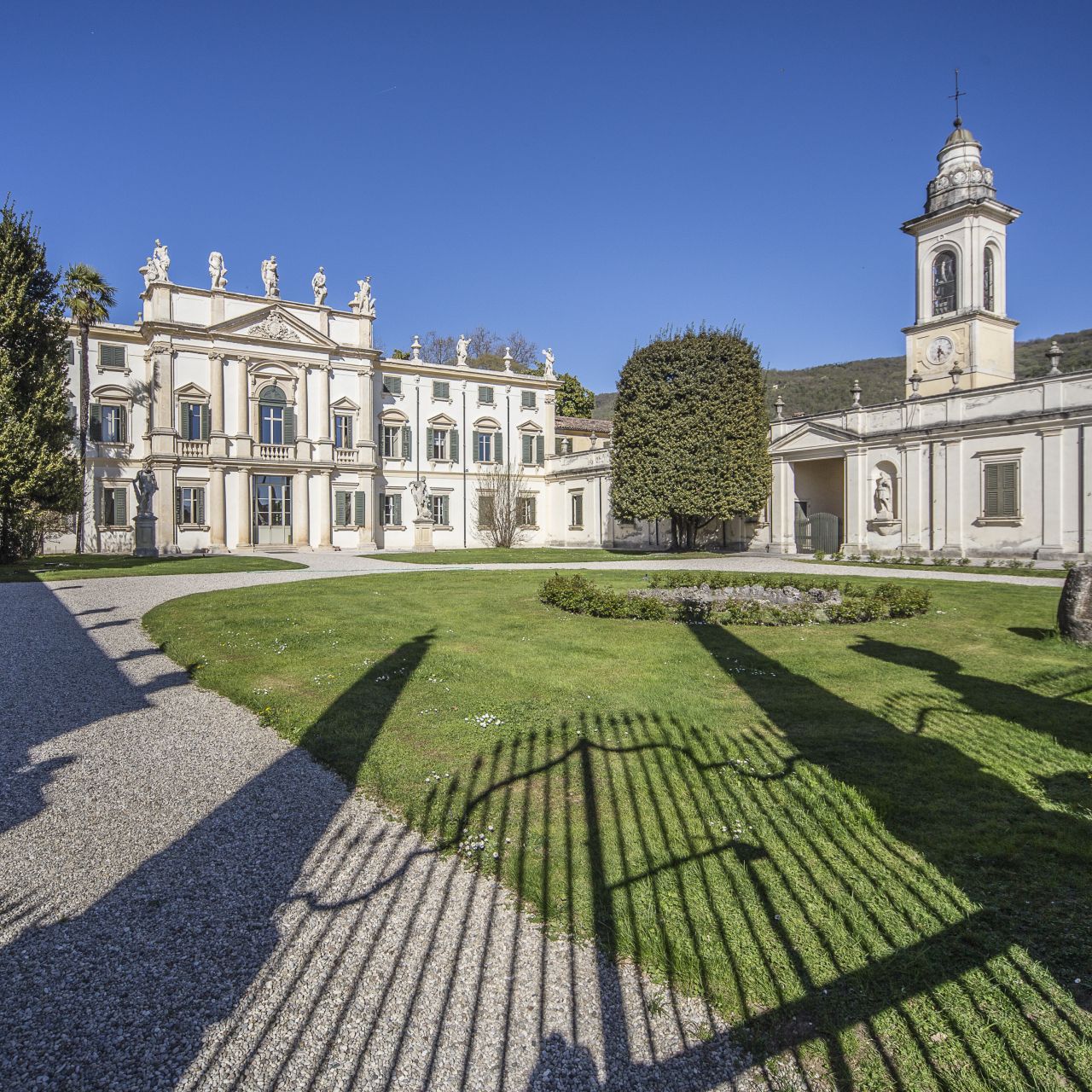
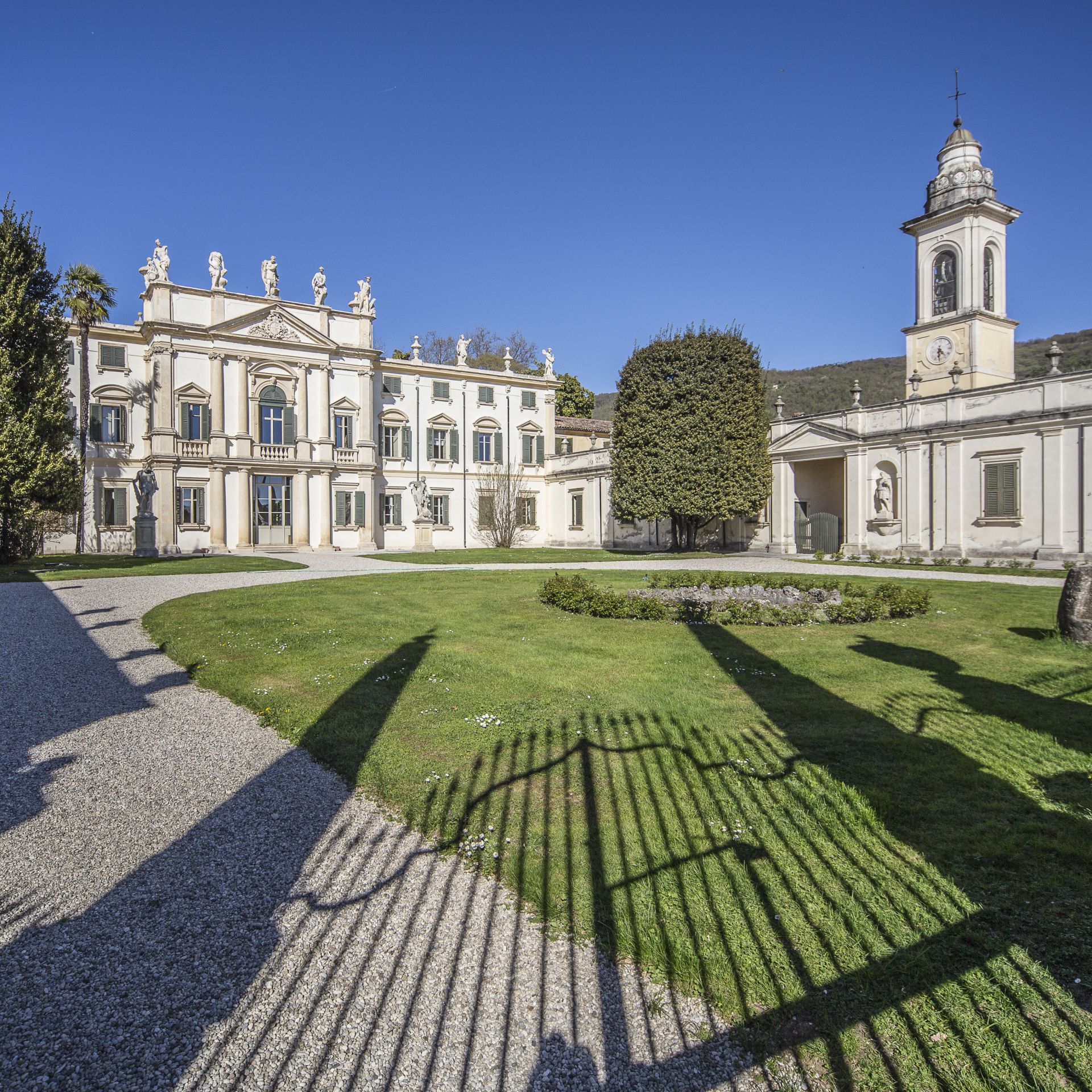
Our route, about 25 km long, is accessible by car or bicycle for experienced cyclists and starts from the hamlet of Arbizzano, where Villa Mosconi Bertani is located. In the picturesque valley of Novare, which unfolds in a cove of remarkable beauty rich in water and kissed by the sun, is the majestic villa of the mid-eighteenth century, built by Gaetano Adriano Cristofoli commissioned by the then owner Giacomo Fattori, who then gave the villa to the Mosconi in 1769.
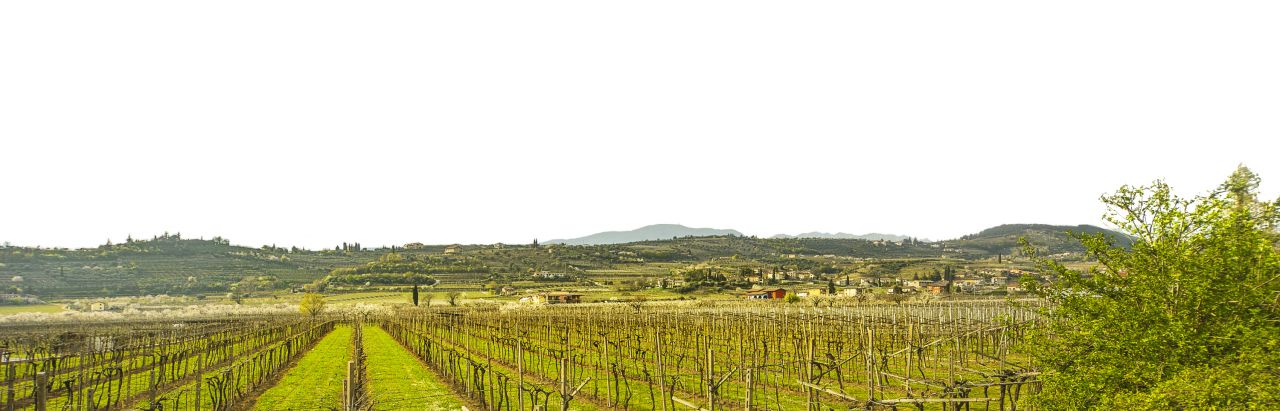
The palace, privately owned and not always open to the public, consists of a main building with the two low piavanzate wings linked by a gate with obelisks and vases. The interior has a large central hall, which includes both floors of the villa, with allegorical frescoes. The villa is attached to a large agricultural land cultivated with vineyards, crossed by a wonderful path among the grapes of Valpolicella, walkable or by bike.
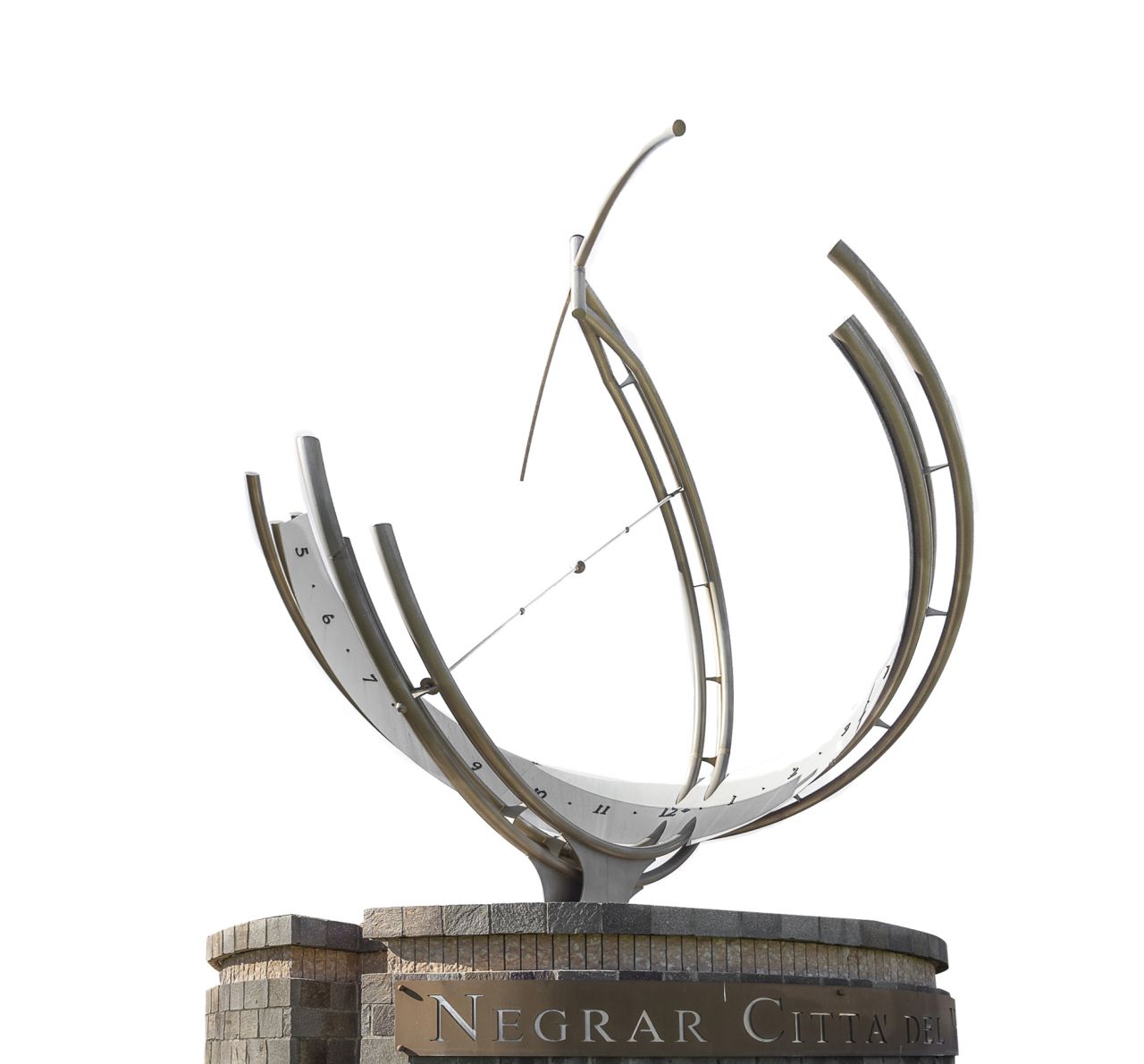
Drive up, turn right and at the Santa Maria roundabout take the road to Negrar. Installed on the second roundabout you can see a monument of contemporary art, the Meridiana, by architect Giuseppe Ferlenga, which provides precisely the solar hour, the true noon of Negrar, the summer solstice and the winter solstice, the equinoxes and wind direction.
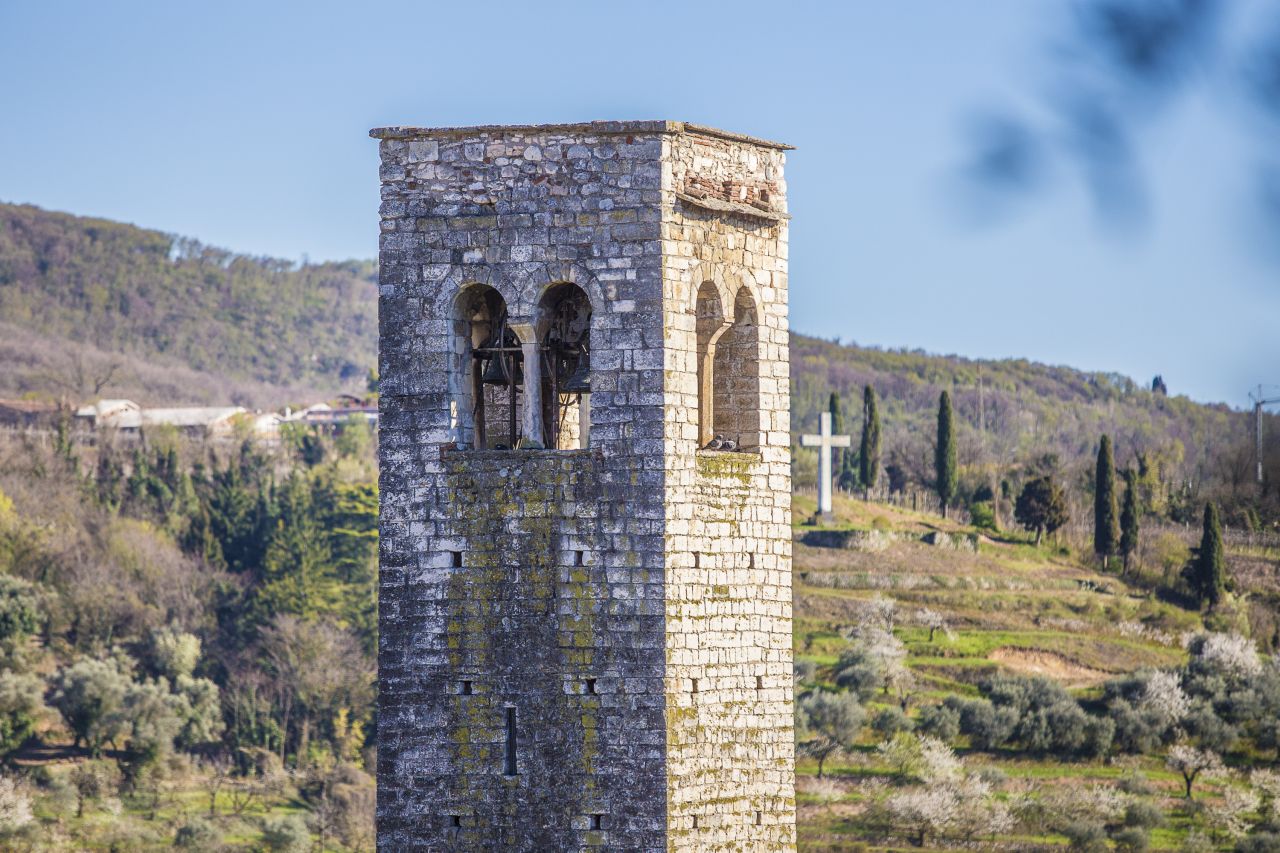
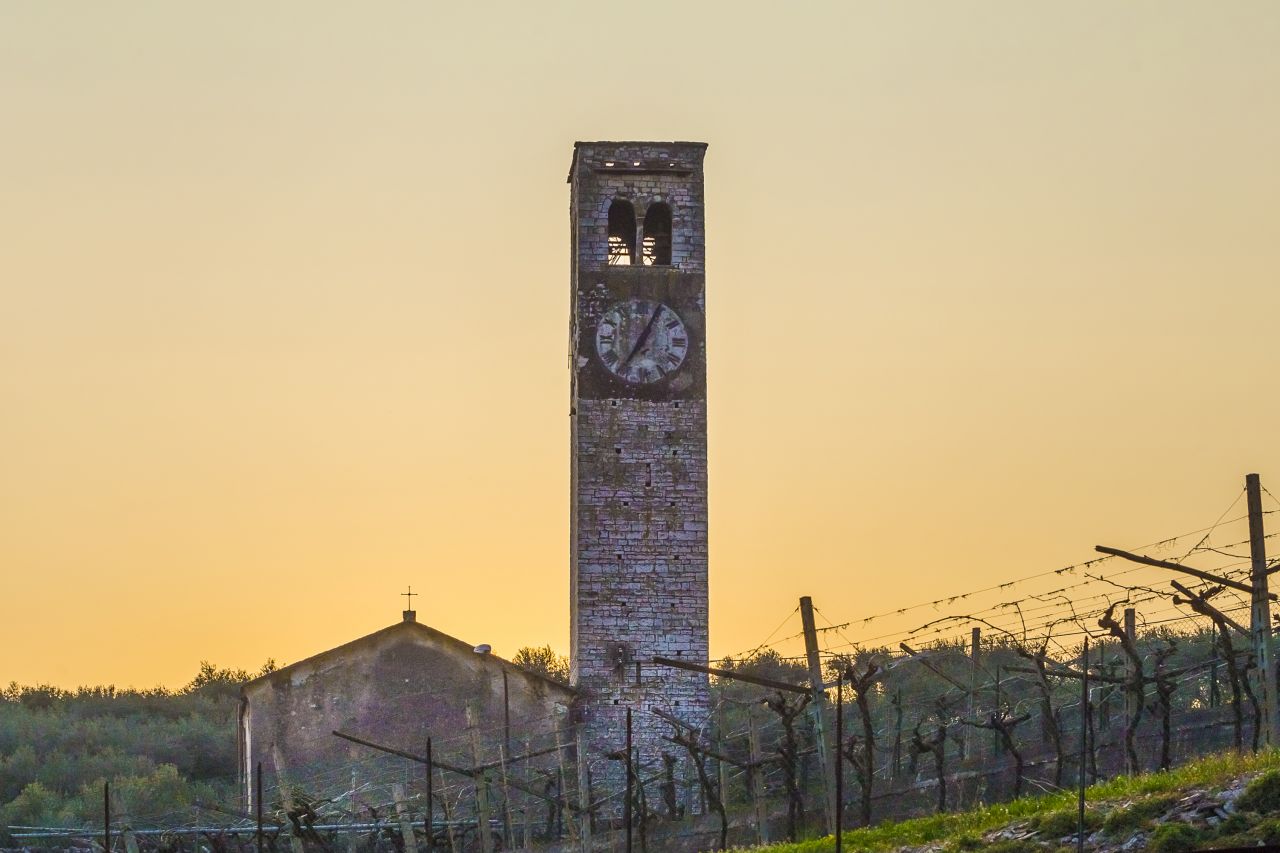
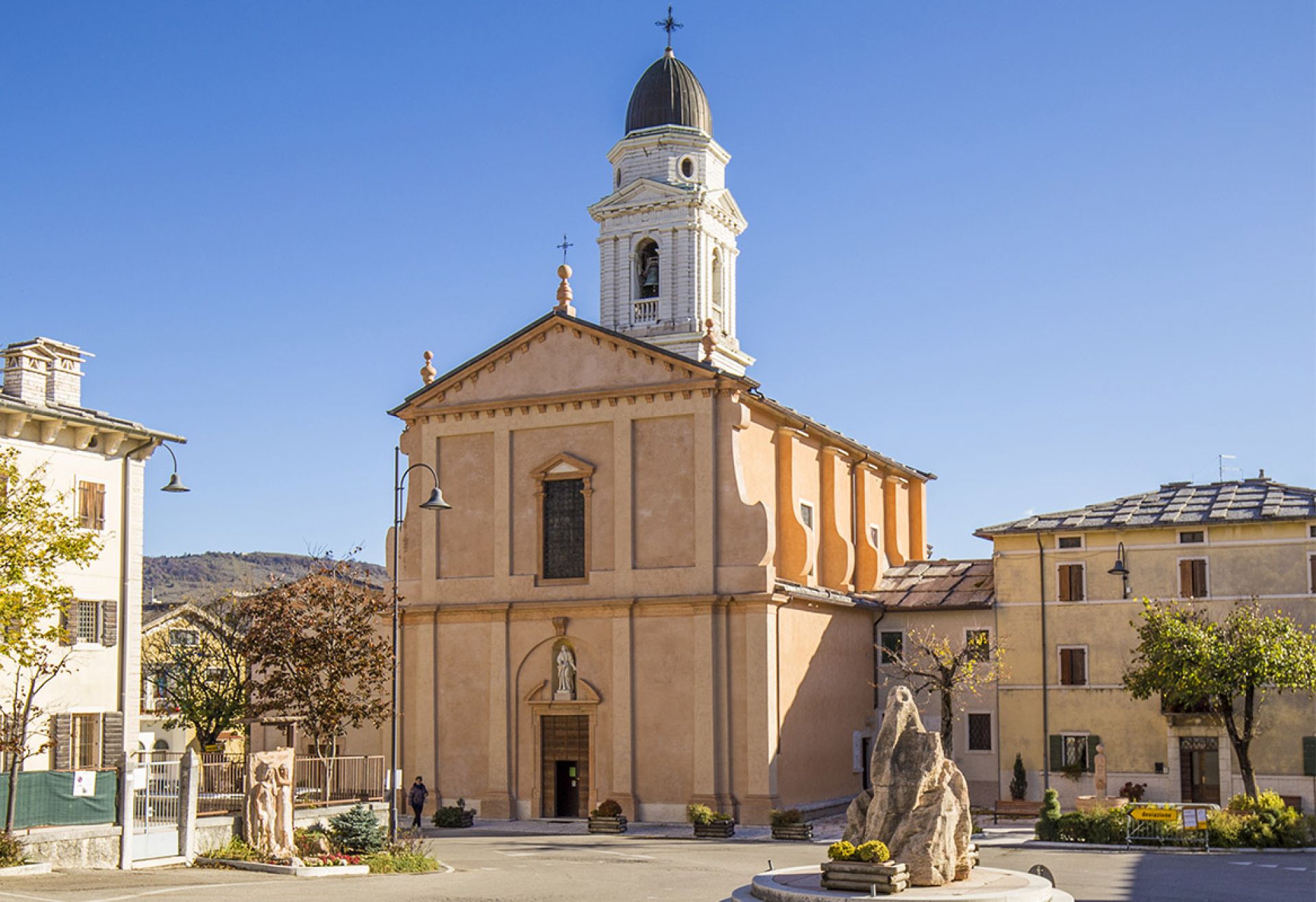
In the center of the village it is possible to park and observe the Pieve dedicated to San Martino, whose first news date back to 1067, but which was totally rebuilt in 1809. The bell tower, Romanesque style, was built in tuff and red limestone. On the south side of the bell tower there is an inscription of 1166, with 64 lines in capital letters that shows a series of contracts, all of 1166, through which the parish church of Negrar redeems an old annual list due to the citizen of Verona Ribaldino.
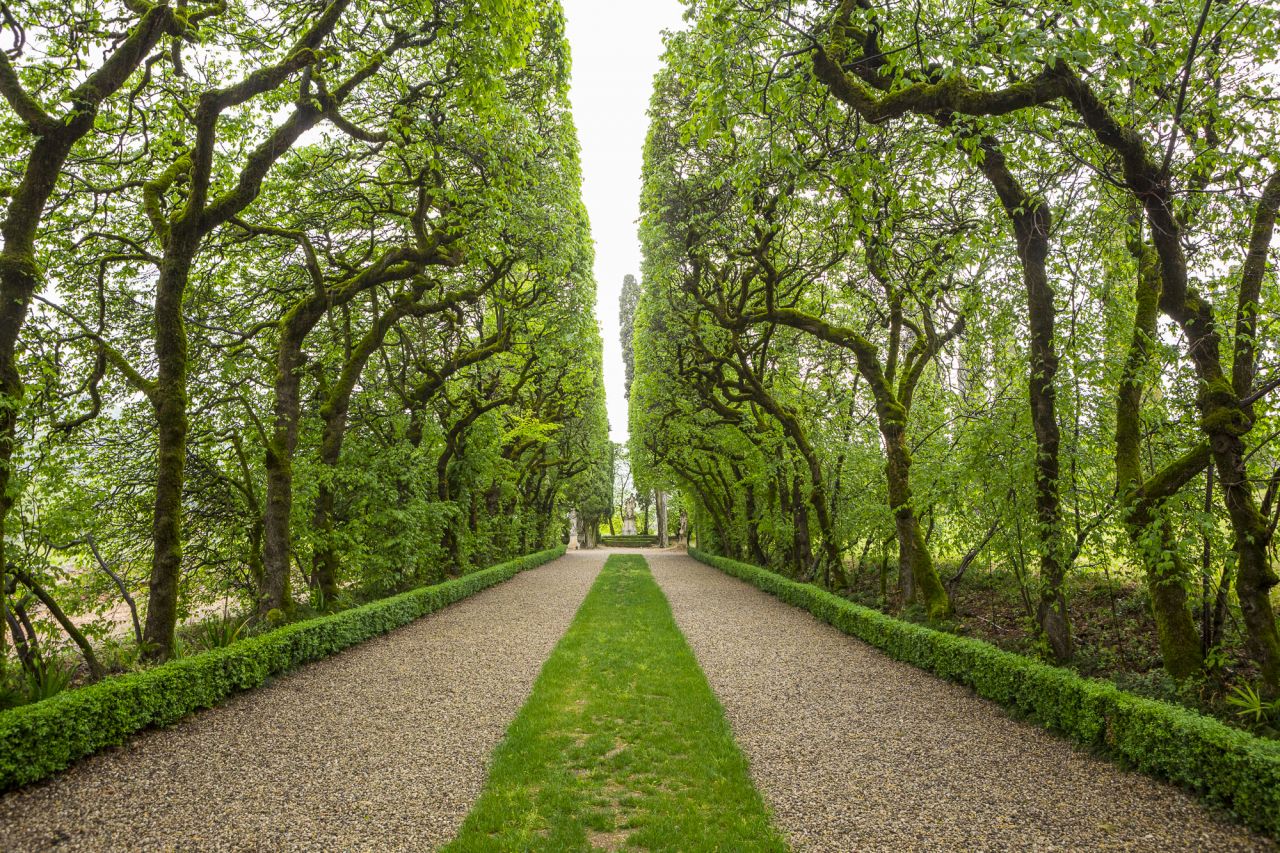
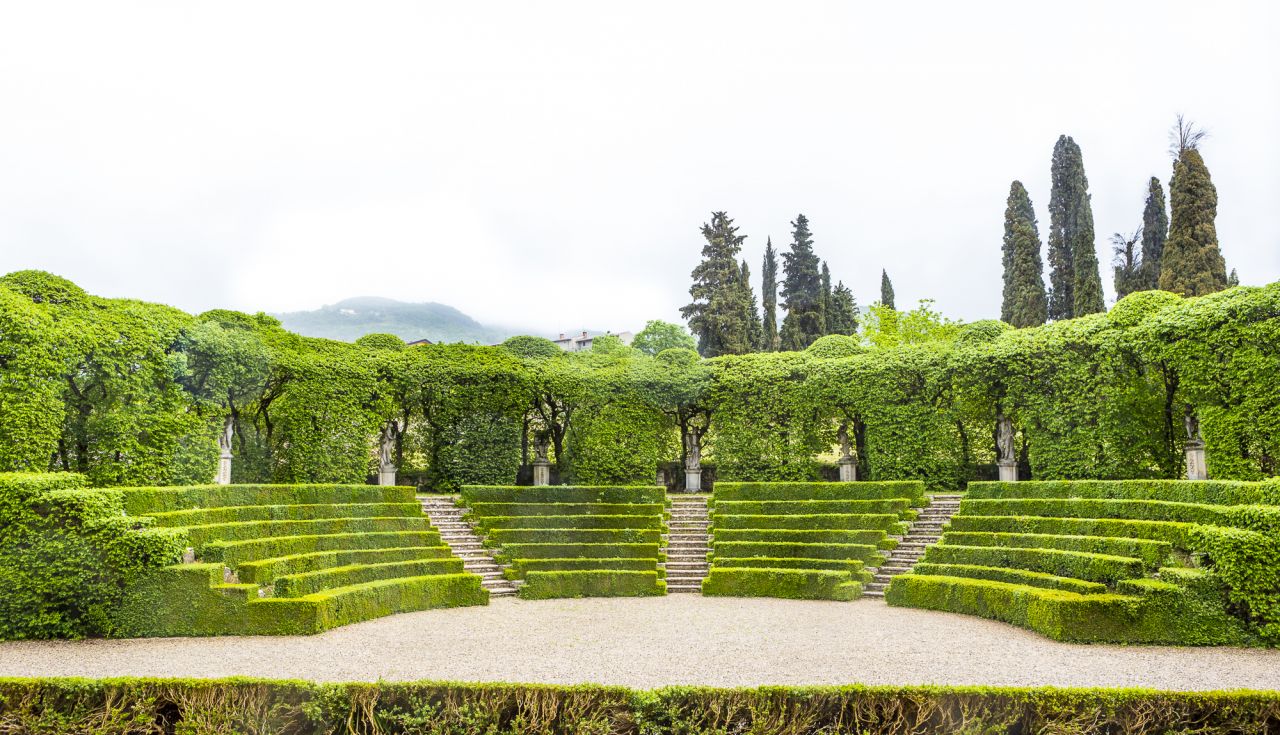
Returning to the car, not far from the village continuing north is Villa Rizzardi in Pojega, whose garden can be visited in summer. The garden was built between 1783 and 1796 on the project of the famous architect Luigi Trezza (1752-1823), commissioned by Count Antonio Rizzardi.
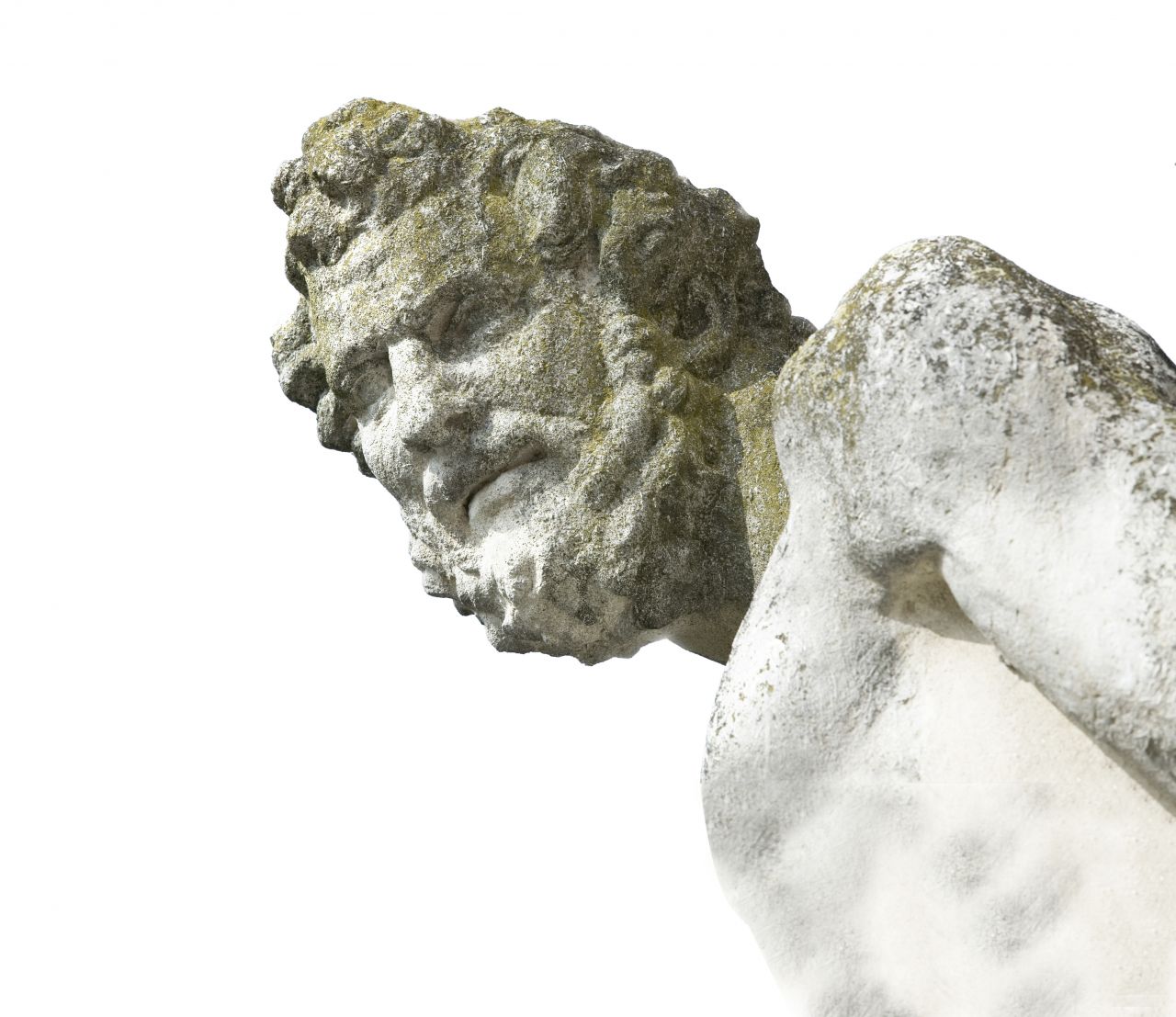
Trezza conceived a synthesis between Italian garden and romantic garden, with compositions of architecture "in green" as the Grove with the circular Temple, the Nymphaeum, the Secret Garden, the oval pond, the Parterre and the Green Theater, at the end of which there is a sublime Belvedere. A copious series of statues of mythological subject, placed to completion and decoration of the garden, animates the different paths, defining a rich and complex iconographic program.
Take the main road again, continue to the Ponte di Veja in the direction of Sant'Anna d'Alfaedo with a small detour to the locality ˆVilla", so called because in 1887, during agricultural works were found the remains of a mosaic floor of a Roman villa of the third century A.D. (now preserved at the archaeological museum of the Roman theater of Verona) belonging to the urban-rustic. In 1922 other fragments of pavement were found, which allowed the identification of four rooms, adjacent to the hall brought to light in 1887, three of which opened on a north portico.
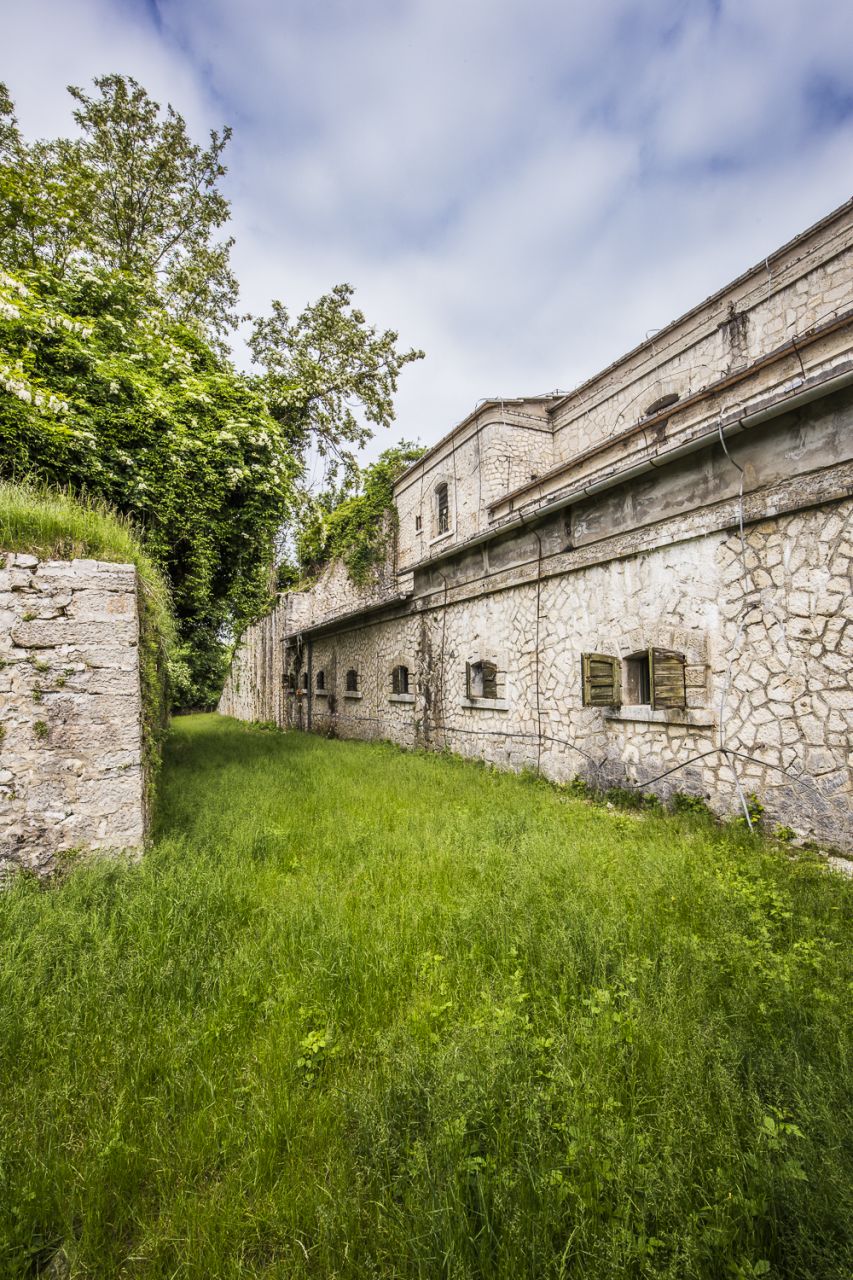
A few kilometers before reaching Sant'Anna, you will fight on the right to observe the Forte Tesoro. The work of Italian fortification, controlled the area of the nearby Valpantena, as shown by the loopholes facing south-east. It was organized on three floors and surrounded by a moat that protected the front of the fort, while an embankment sheltered the domes.
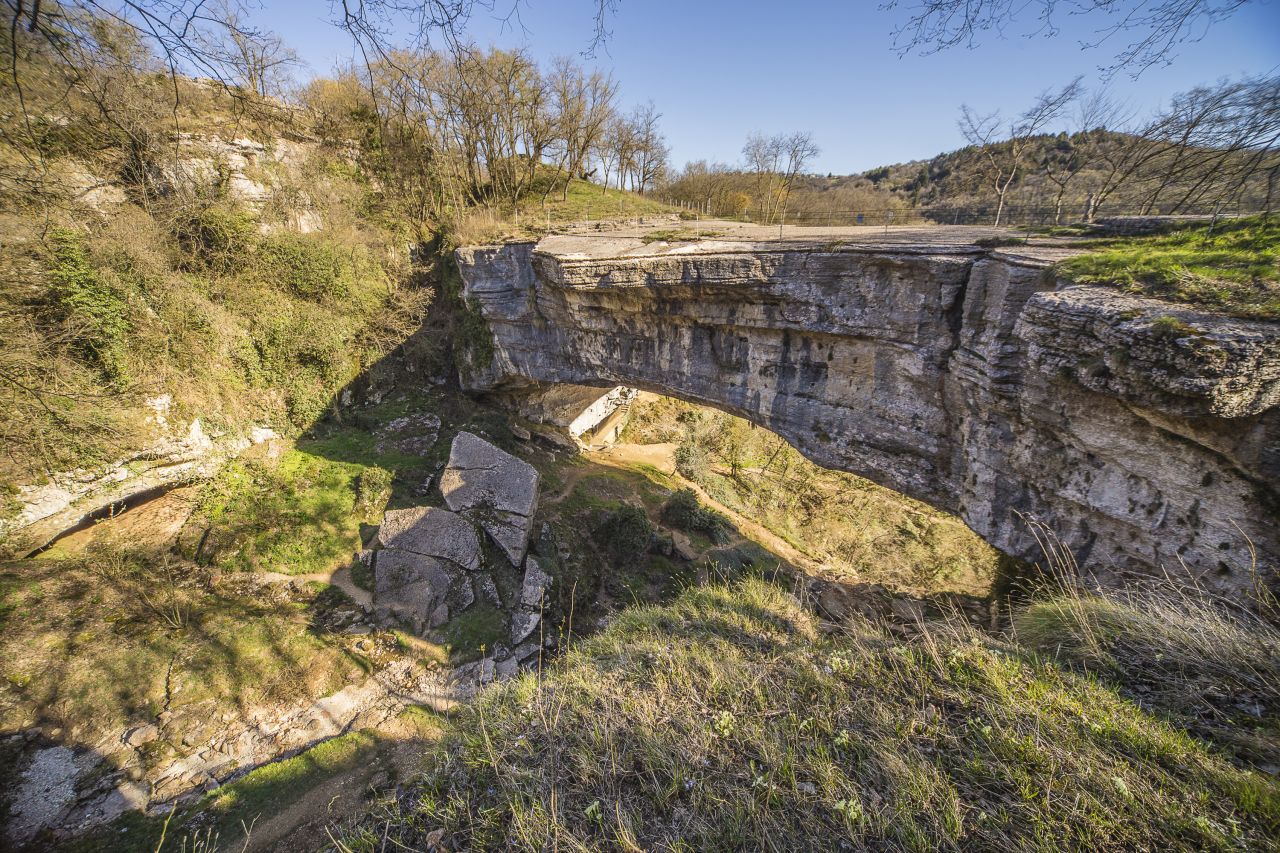
Continuing, on the borders of the municipality of Sant'Anna d'Alfaedo, under the district of Crestena and hamlet of Giare, there is the famous Ponte di Veja, the most impressive and majestic geological monument of the entire Lessinia. It is a gigantic natural arch, with a light of about 50 m., formed thanks to the evolution of an original karst cave opened over millions of years in the limestone rock by the erosive action of water that penetrated from the outside and then collapsed the vault, leaving standing only the lintel entrance. At the bases of the pillars of the bridge there are two caves frequented even in prehistoric times. Some of the finds found inside, dating back to the Middle and Lower Paleolithic, are preserved in the Paleontological and Prehistoric Museum of Sant'Anna d'Alfaedo. In some caves adjacent to the bridge there is abundant presence of ochre (natural earth dye) yellow-brownish, quarried since remote times and used until the fifties of the last century.
Tradition has it that Dante Alighieri drew inspiration from the conformation of the bridge to the eighth circle of Hell, called Malebolge (Canto XVIII) and that Andrea Mantegna, the famous painter, has depicted him in the frescoes of the Chamber of the Spouses in the Ducal Palace in Mantua.
The area, accessible on foot through paths, is part of the Regional Park of Lessinia. Since there are no lights, it is considered a daytime destination.
With this breathtaking spectacle the outward journey is over.
We return, then towards the valley, taking this time the road to Prun and passing near the picturesque quarries of Pietra della Lessinia (or quarries of Prun).
Already used for the construction of the castles on the ridges of the Lessini Mountains since the Bronze Age, this limestone has always been the most used building material in Lessinia, both for the relative ease of its extraction, both for its versatility: roofs, walls, washhouses, fences, courtyards, pavements are a clear testimony.
The most recent quarries are open-air but until the post-war period the mining areas were underground and the tunnels supported by rock pillars. Having abandoned the work in the gallery around the fifties of the twentieth century, the quarries, similar to primitive rock architecture, today constitute a place of great visual and emotional impact.
Photogallery