



Terre di Gnirega
WE HAVE BEEN A FAMILY OF FARMERS FOR MORE THAN 4 GENERATIONS,
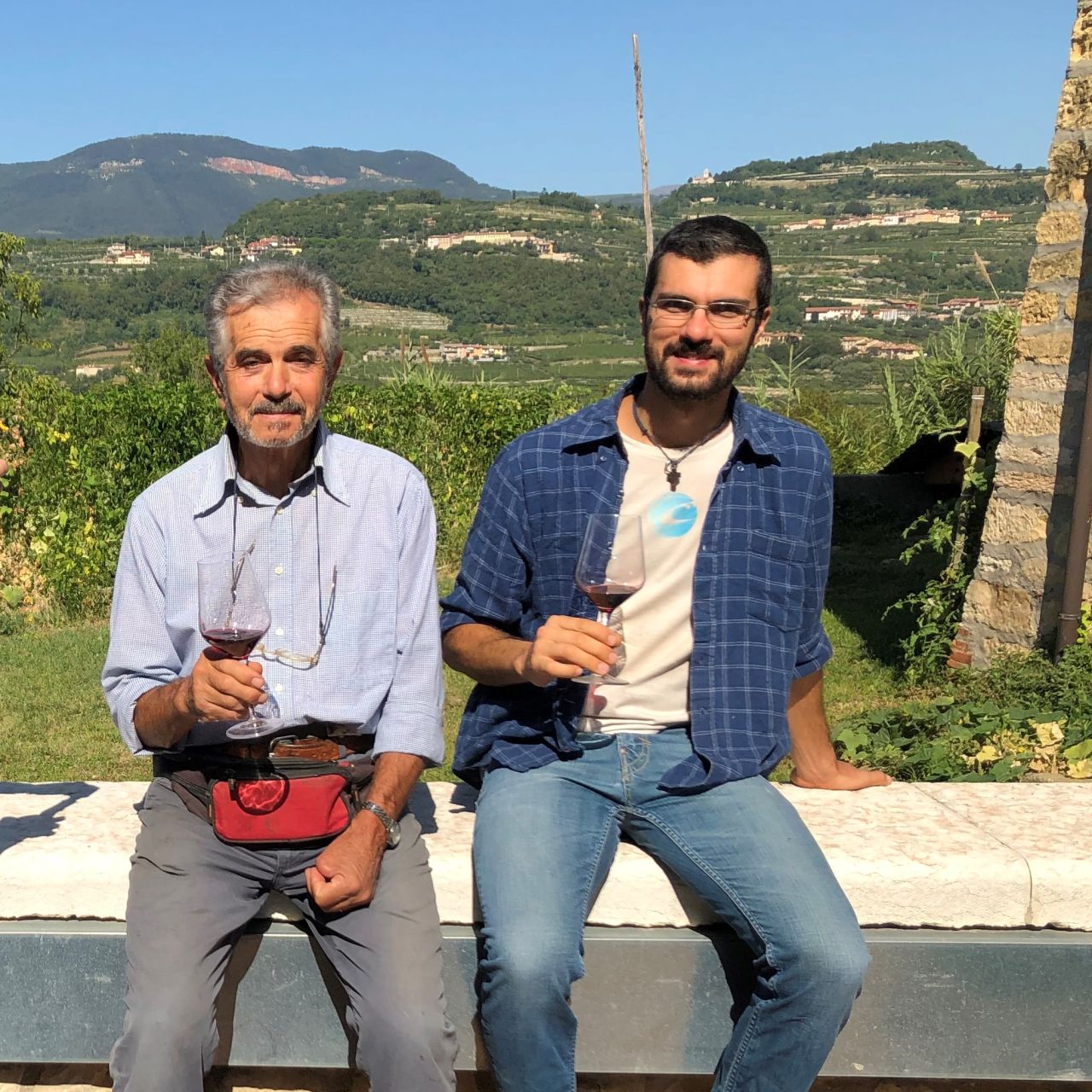
"We have been a family of farmers for more than 4 generations, but it was only from great-grandfather Cristoforo, born in 1874, that we settled in the district of Gnirega, from another district not far away. The family business then passed to grandfather Sante and subsequently to Luigi (Gigi) and his nephew Francesco and his brothers."
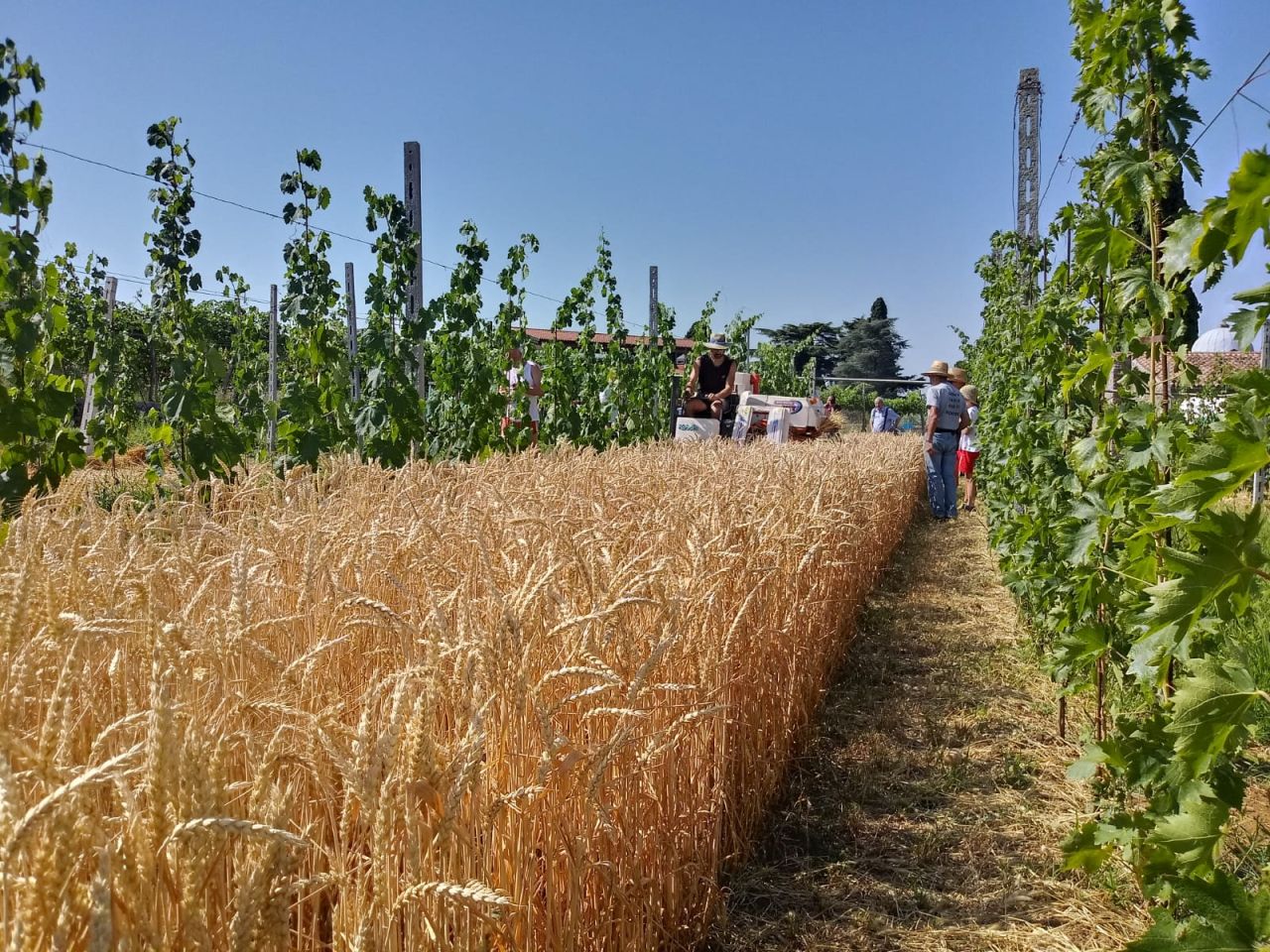
In Christopher's time, agriculture practiced was little more than self-consumption aimed at family needs. Wheat and corn arable land were cultivated for the production of flour, pieces of grass for animal fodder and mixed orchards (pears, apples, cherries, apricots, peaches, olives, persimmons, figs, almonds, walnuts, etc...) for direct consumption. Often these plants were placed in rows along the edges of the plots, so as to leave the center sorable. The vines were grown along this row using live plants to support the iron wires of the structures, therefore the production of wine was there, but it was marginal and once again focused on family consumption.
Passing through Sante, the company underwent a transformation going to specialize above all in the cultivation of vines, given the high vocation of the territory.
But it was with Gigi's takeover that the company underwent the most radical transformation, effectively becoming one of the first organic companies in the province of Verona. From the 70s to the 80s, Gigi participated in that movement of thought and research into good agronomic practices, aimed at excluding chemical synthesis products for the defense of production and for nourishing the soil, a movement that would later be called organic farming.
Since 1989 the company has been certified organic with AIAB regulation (Italian Association of Organic Agriculture), then transposed into European regulation in 1991.
Over the years he has completed numerous rearrangements to the land, however trying to respect the traditional agricultural landscape, characterized by "marogne" (dry stone walls) that support many small cultivated plots. In the plots he plants vines, cherry trees and olive trees, keeping the hedges and the woods in the steepest areas.
Currently the company has three and a half hectares of vineyards and another hectare and a half of cherry, plum and olive trees, arable land and woodland thus maintaining a high biodiversity to promote a better balance within it, including a small part dedicated to the cultivation of a vegetable garden for family use.
The products used for the defense of the vineyards are based on copper and sulfur, for downy mildew and oidium, and Bacillus Thuringensis for the defense against the moth, later replaced in 2013 by the sexual confusion technique. In addition to these products, to reduce the use of copper, a preparation based on clays, bentonites and algae and plant extracts is used in some periods, which improve the strength and vitality of the vine.
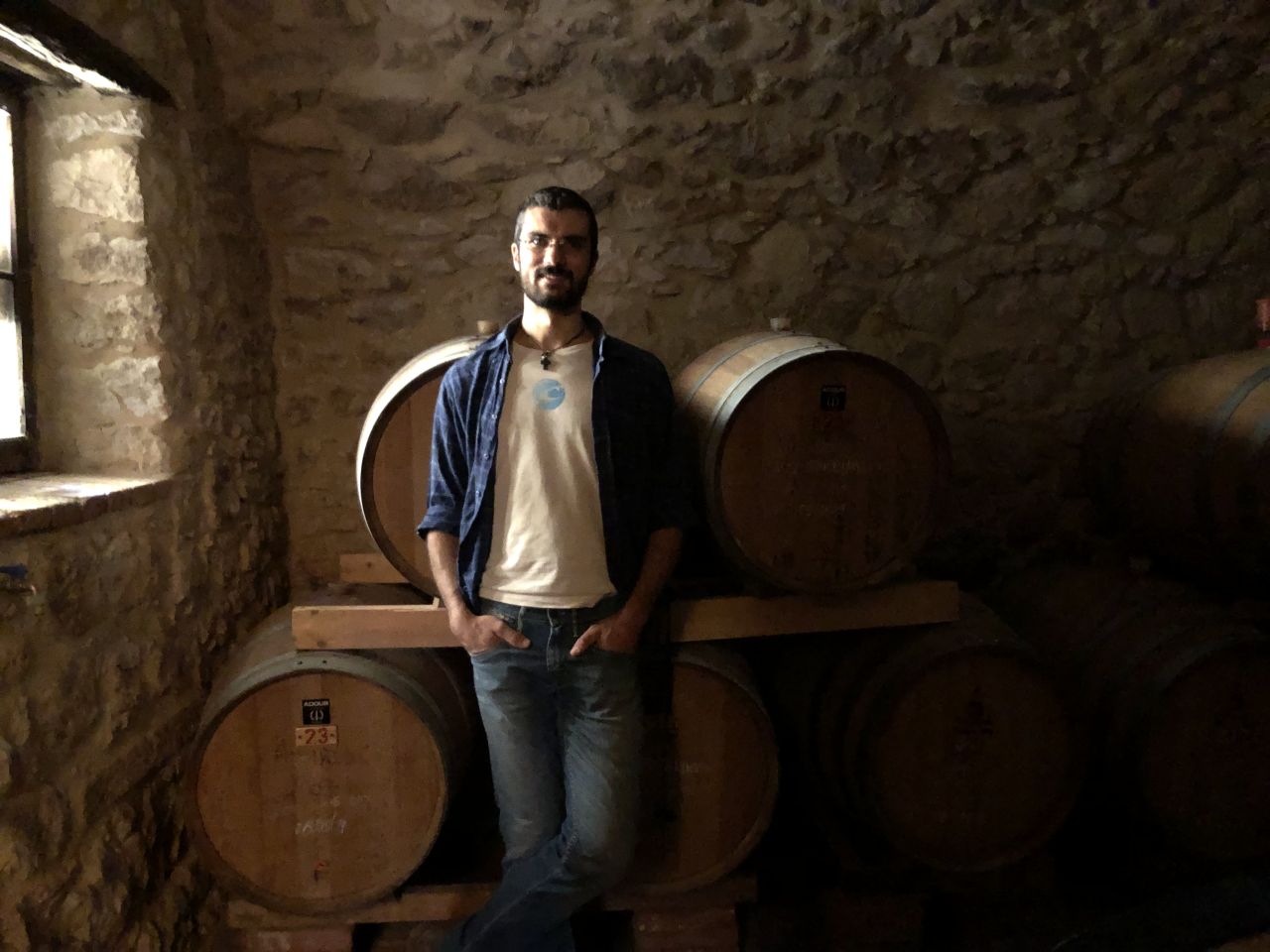
In 2010 Gigi and his son Francesco decided to renovate the old cellars around the family courtyard, starting to vinify part of their grapes with the idea of producing wines that were manipulated as little as possible so as to respect as much as possible the characteristics that arrive from the land, from the cut of grapes used and from the differences of the vintages. All vinifications are spontaneous conducted by indigenous yeasts naturally present on the grapes, the wines are cleaned only by decantation and racking without using filtration or forced stabilization and the only addition made is a small dose of sulfur dioxide during racking and before bottling.
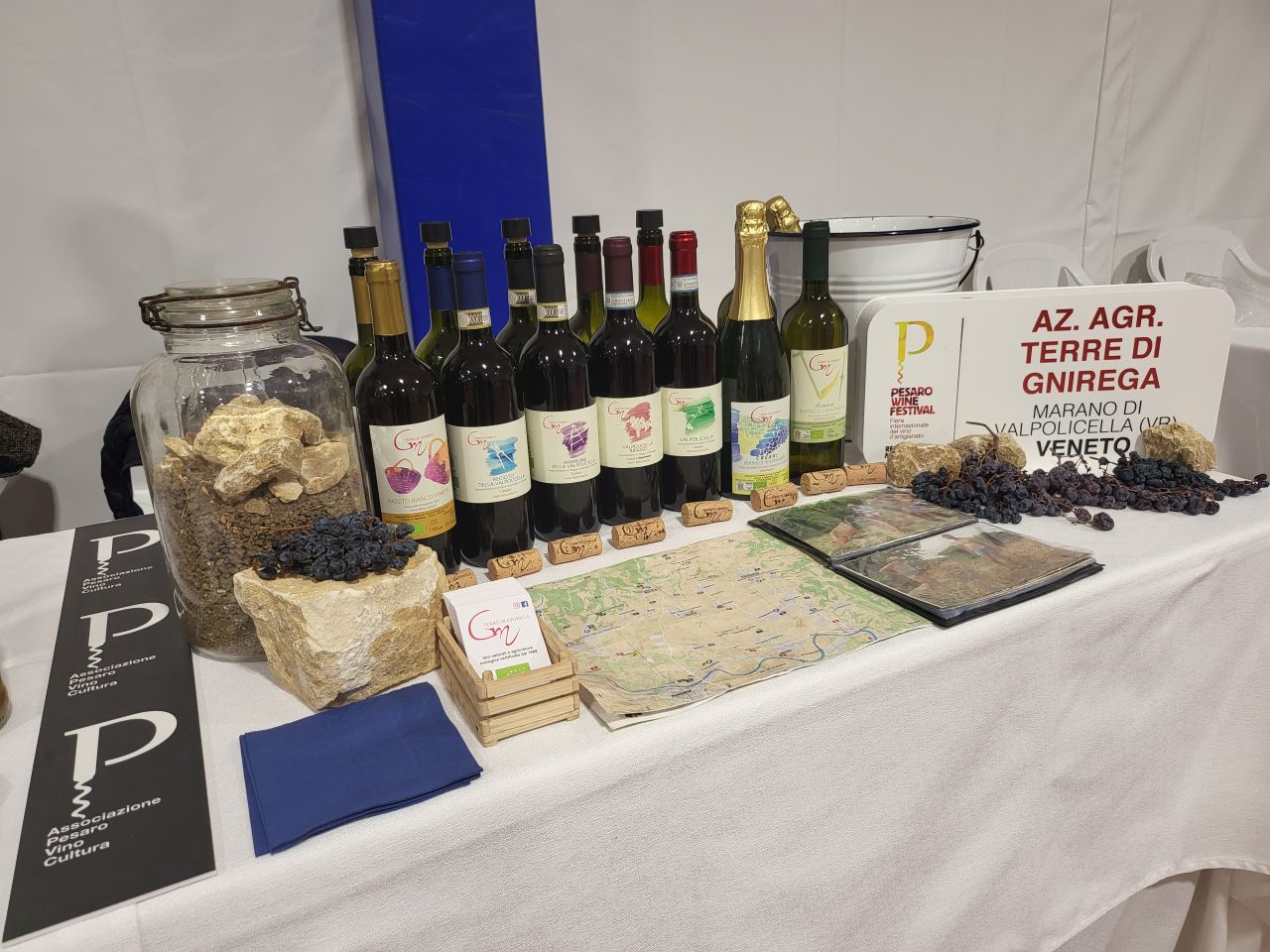
The total production is about 20,000 bottles a year, mainly concentrated between the Rosso Veronese "Da pasto" (a very fresh cut of the typical grapes), the Valpolicella, the Ripasso, the Amarone, the Recioto and the Passito Bianco. In addition to these, Francesco likes to experiment with the production of microvinifications including Armeno (a white from Garganega), Creari (an ancestral sparkling wine from Garganega) and Corvina (a pure Corvina).
Photogallery

Contacts

37020 Marano Di Valpolicella
333 770 1122
https://www.terredignirega.it
terredignirega@gmail.com