


Itinerary 8: San Martino B.A., Lavagno, Illasi, Mezzane
WALKING EASTWARDS
Just 10 km from the centre of Verona is the town of San Martino Buon Albergo (14,736 inhabitants), documented in Roman times but already existing in the Bronze Age, as demonstrated by the presence of a castelliere (fortified borough) in the hilly areas.
The hamlets of Casette, Marcellise, Mambrotta, Case Nuove and Ferrazze are part of the municipality. To supplement the route and get a brief idea of the place, it is possible to take a two-hour walk: the 'giro delle contrade' takes in Marcellise, Borgo, Casale, Cao di Sopra, Casale di Tavola, Monte Garbi di Sotto, Casale and Marcellise.
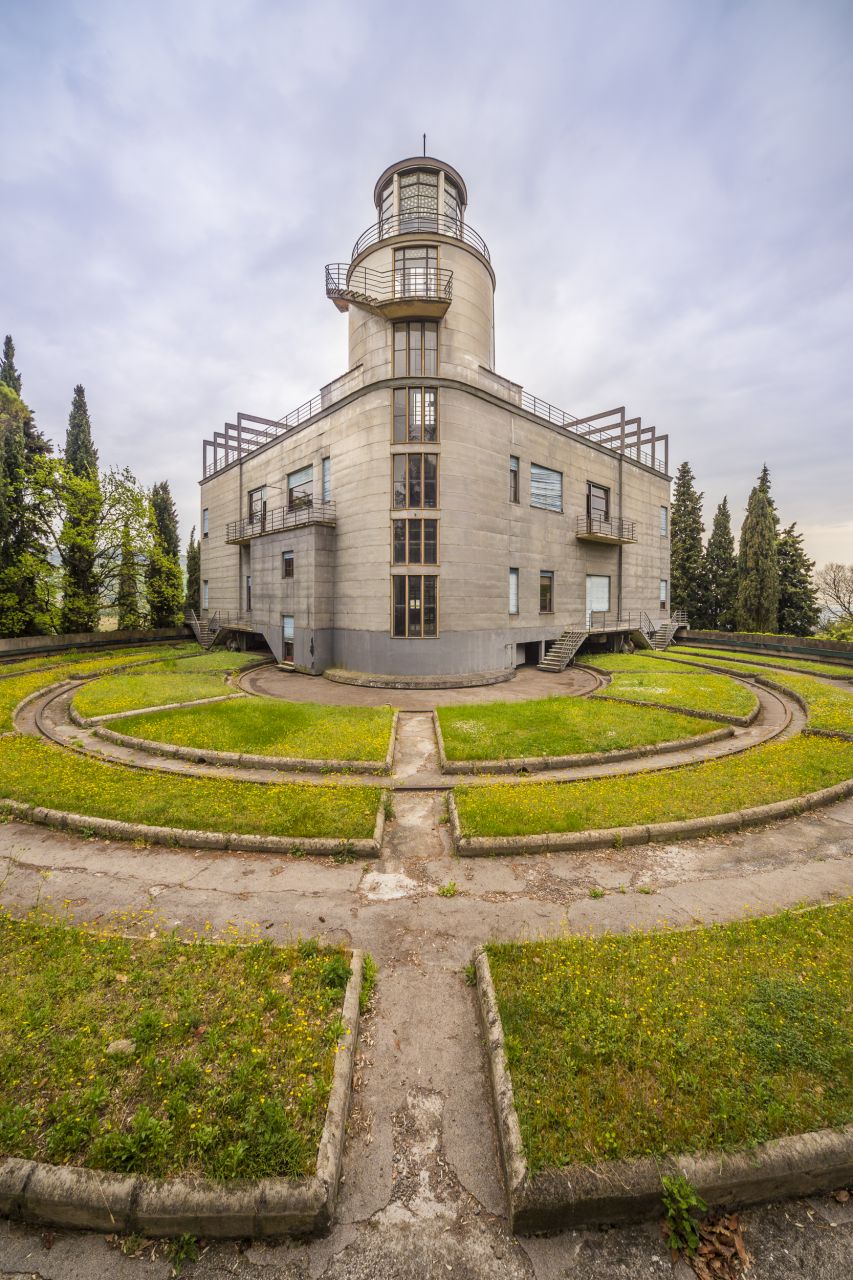
In Marcellise, 5 km from the centre of San Martino, stands Villa Girasole, designed by engineer Angelo Invernizzi and capable of turning 360 degrees to save energy by following the sun. The mechanism, which is currently not functioning although a restoration project is underway, allowed the house to complete a complete turn around itself in 9 hours and 20 minutes.
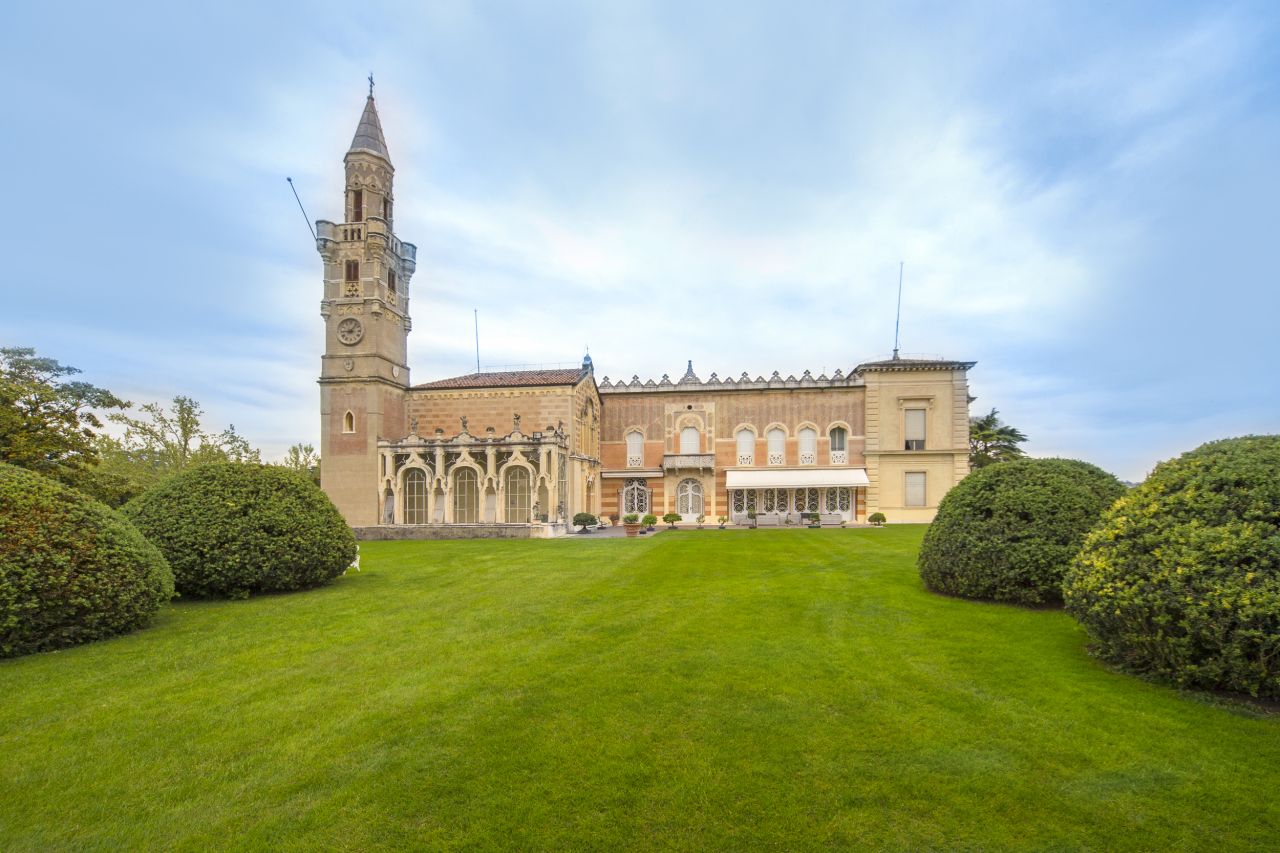
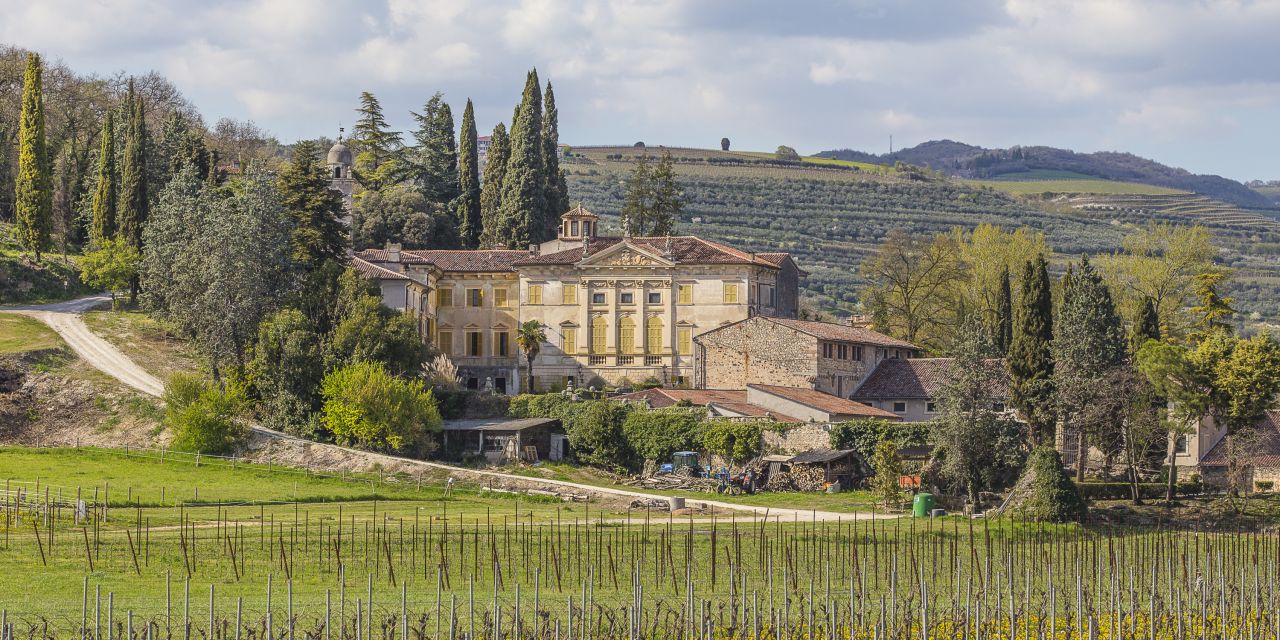
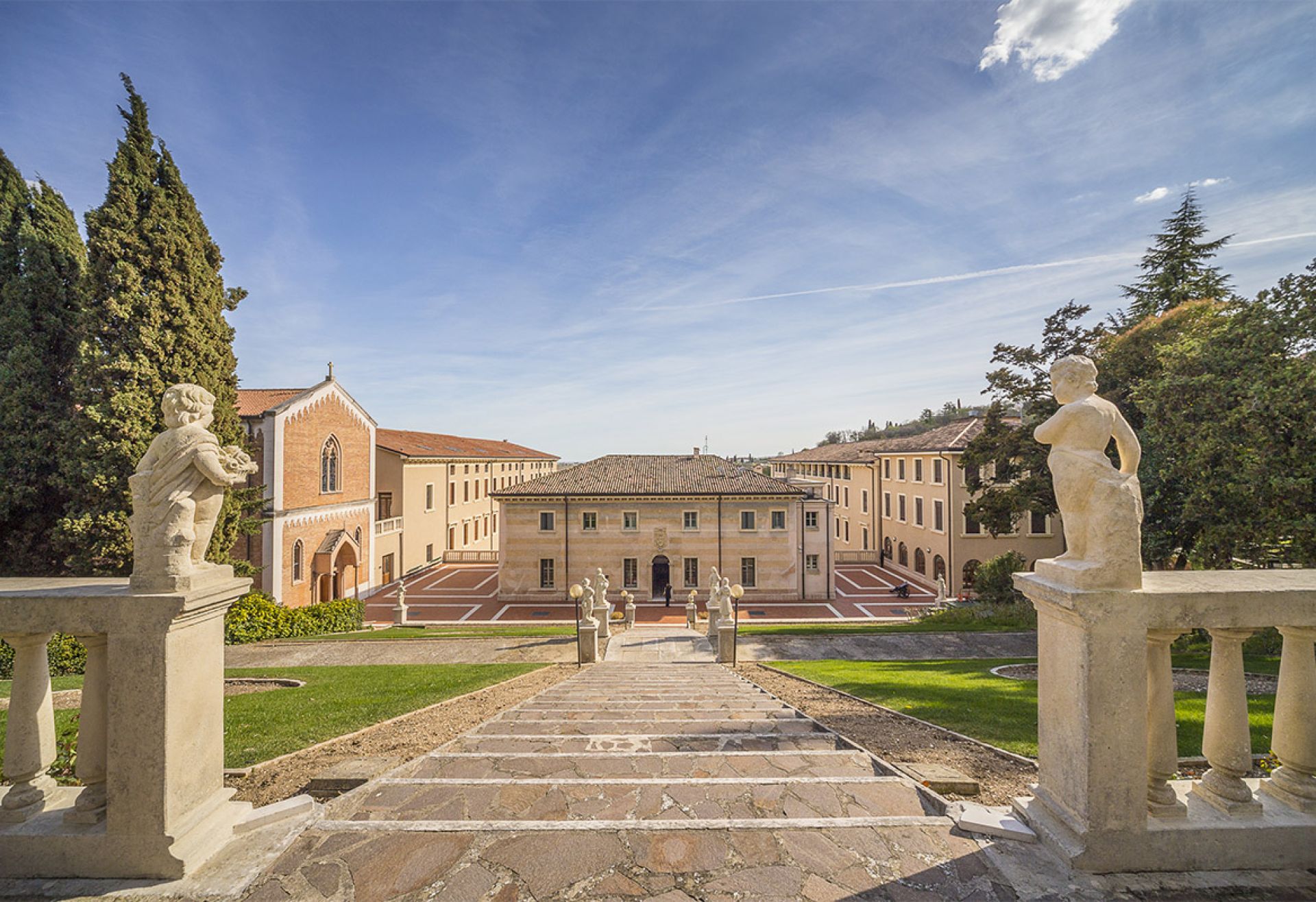
Another noteworthy villa is located in the centre of precious Soave and Valpolicella vineyards, nestled on the foothills of the Lessini Mountains: the Musella, named after its first owners (Muselli), cloth merchants. Although the villa and garden complex originated in the mid-17th century, the major intervention was by the Veronese architect Giacomo Franco in the 19th century.
Entering the Mezzane Valley for all intents and purposes, we move on to Lavagno (8404 inhabitants). The vicus (term used in the Middle Ages to indicate a village) and castrum (fortified structure) were granted by
Conrad II in the 11th century to the then bishop of Verona and from the diocese to the Scaligeri, Visconti and Serenissima.
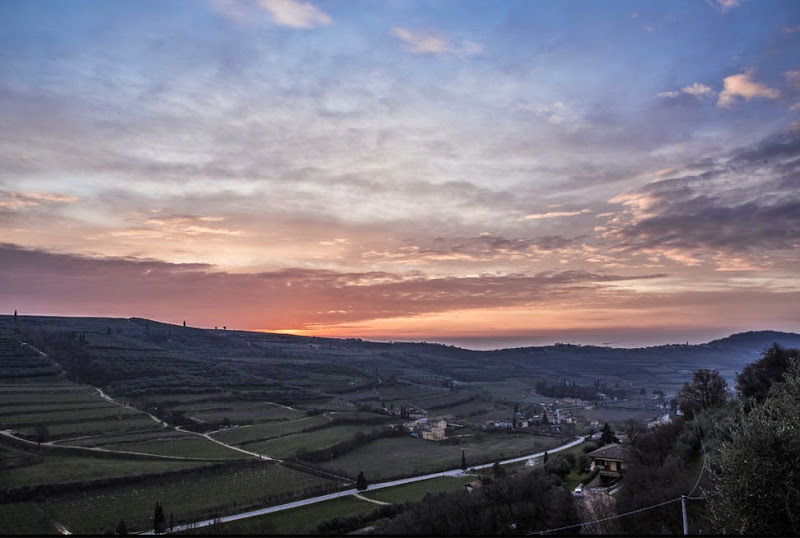
In the lower Lessinia, cherry trees and vines cover the local hill crags. The area is dotted with villas, mostly 15th-century, including Villa Verità known as 'il Boschetto'.
Built for Girolamo Verità by Domenico Curtoni (a pupil of Michele Sammicheli), the villa contains frescoes by Filippino Maccari and Giorgio Anselmi, while the exterior is surrounded by hanging gardens, fountains and a fishpond.
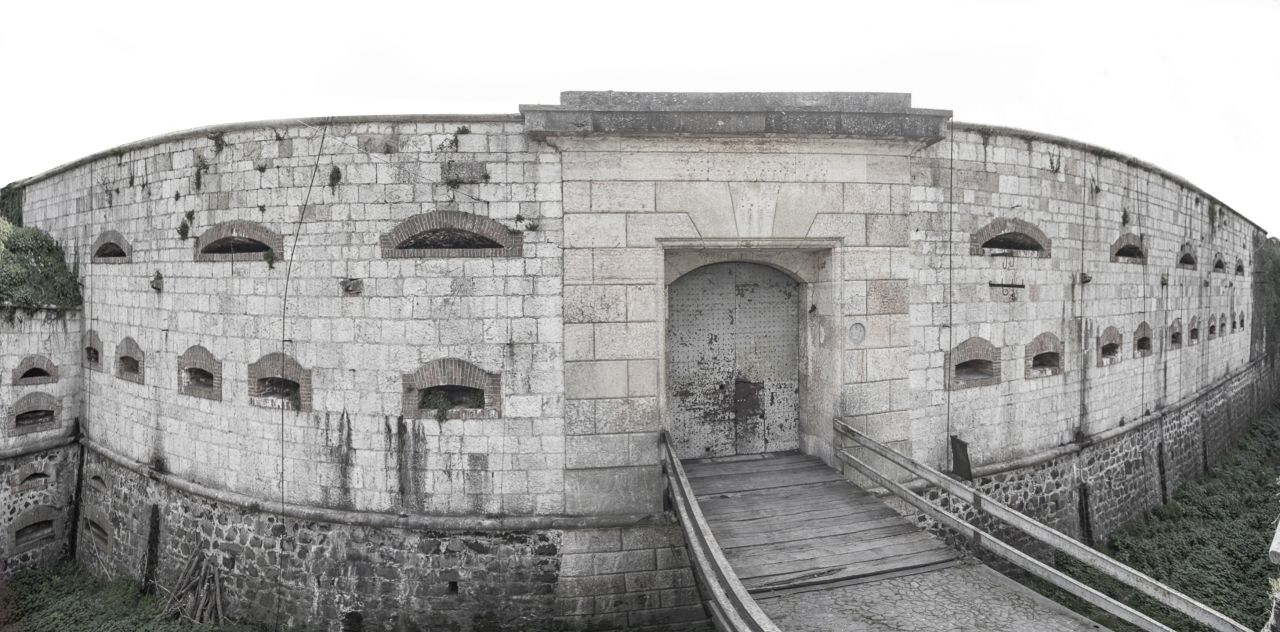
Just over 5 km away is the village of San Briccio, a site inhabited as early as the Neolithic period, which offers spectacular views of olive groves and vineyards. A short walk through a green grove leads to a fortress, recently reopened after restoration. It was built after the annexation of Veneto to Italy in defence of the eastern flank of the square of Verona and the valleys of Mezzane and Illasi to prevent a possible Hapsburg re-entry. The architect was an Italian, Enrico Rocchi, although the design can be traced back to a type of work studied by the distinguished Austrian Engineer Officer Andreas Tunkler (1820-1873).
The fort of San Briccio was built in 1882 in masonry and brick and then covered with earth masses to cushion the impact of any cannon shots. It is surrounded by a bastion and a guard moat, and is situated in a dominant position, served by military access roads. However, given its position, it was not at the centre of the fighting during the First World War, which is why it was preserved practically intact.
Returning to the small square of San Briccio, it is advisable to walk along one of the many scenic walks over the Mezzane valley. Before leaving the village, a stop can be made at the 14th-century Gothic Church of San Giacomo di Grigliano. Inside are frescoes by a master of the Altichiero school, possibly Martino da Verona.
Picking up the car and heading south, you can choose whether to head towards Illasi (10 min) or Mezzane (10 min), important destinations for the history of eastern Verona.
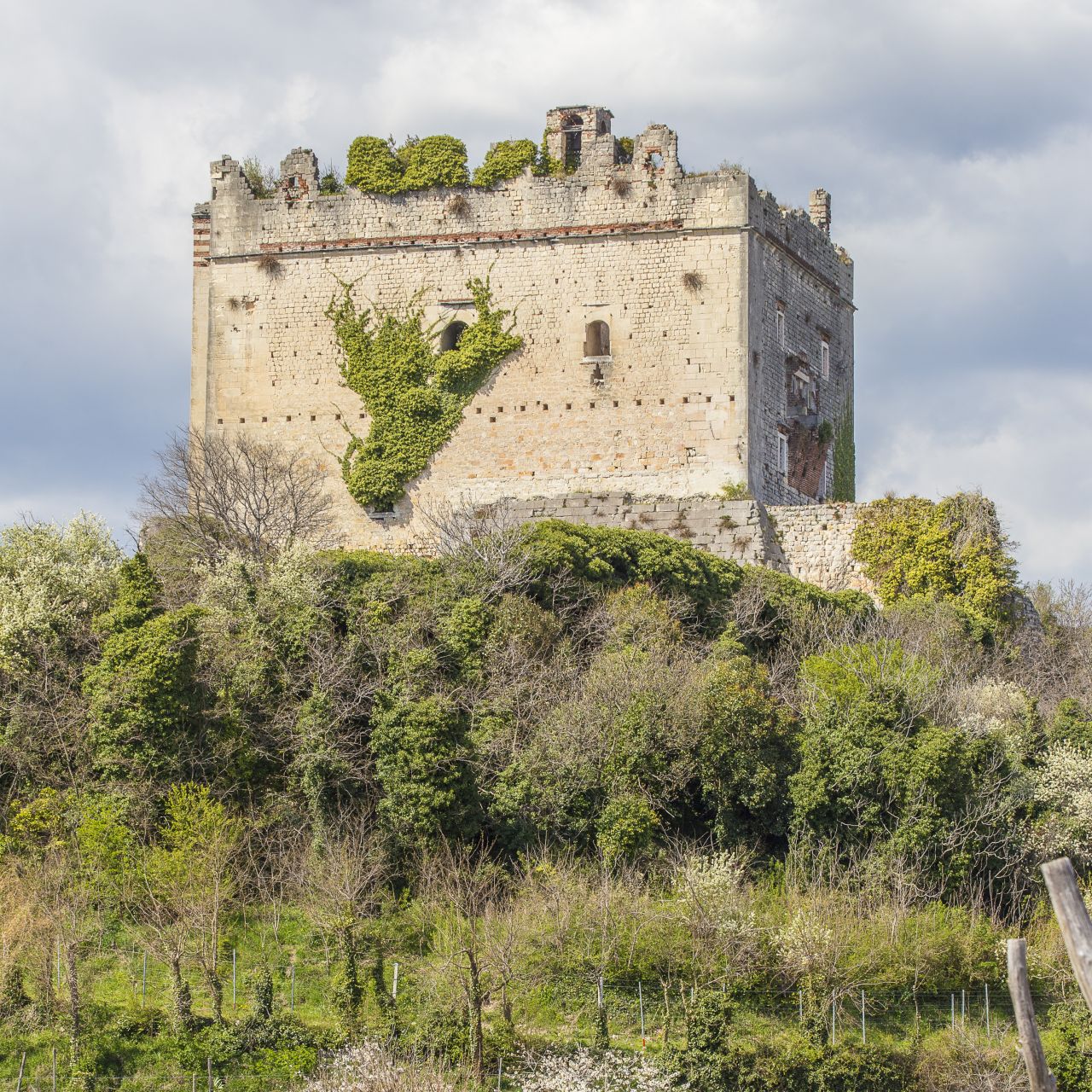
If you decide for Illasi, you will reach the town (5,343 inhabitants) that gives its name to the valley. Inhabited between the end of the Copper Age and the beginning of the Bronze Age and an important centre in Roman times, the true symbol of the town is the castle built at the time of Ezzelino III da Romano (12th century). Today reduced to little more than a ruin, it still manages to fascinate those who visit it. Right at the foot of the castle's heights are the dwellings of Count Pompei d'Illasi: the 18th-century Villa Pompei Perez Sagramoso and, closer to the centre, Villa Pompei Carlotti, which has a first 17th-century construction by Count-Architect Alessandro Pompei and a second 18th-century one, as celebrated by the 1737 inscription on the pronaos.
Unfortunately, neither the villas nor the castle can be visited inside, but from the top of the fortress, which can be reached on foot in about thirty minutes, one's gaze can sweep over the splendid valley and enjoy all these beauties from above.
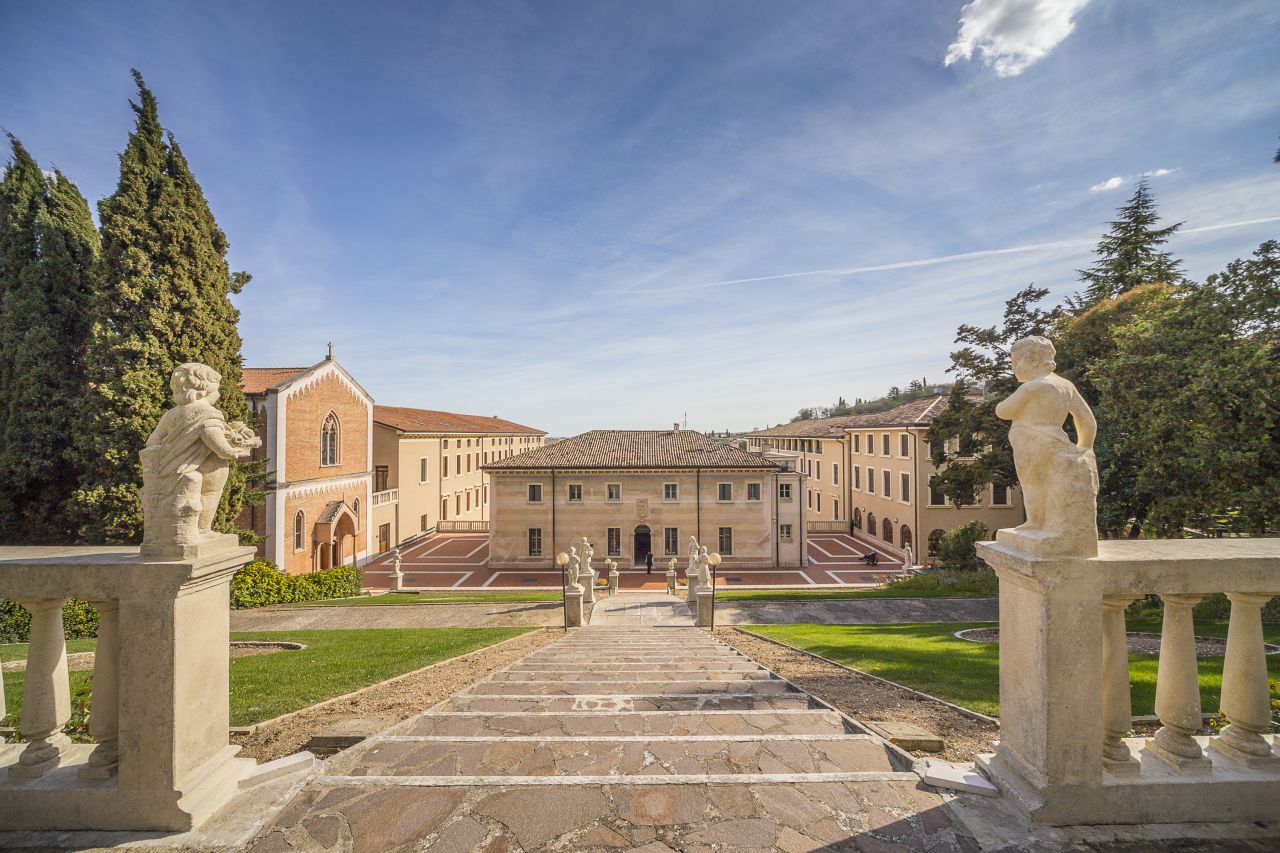
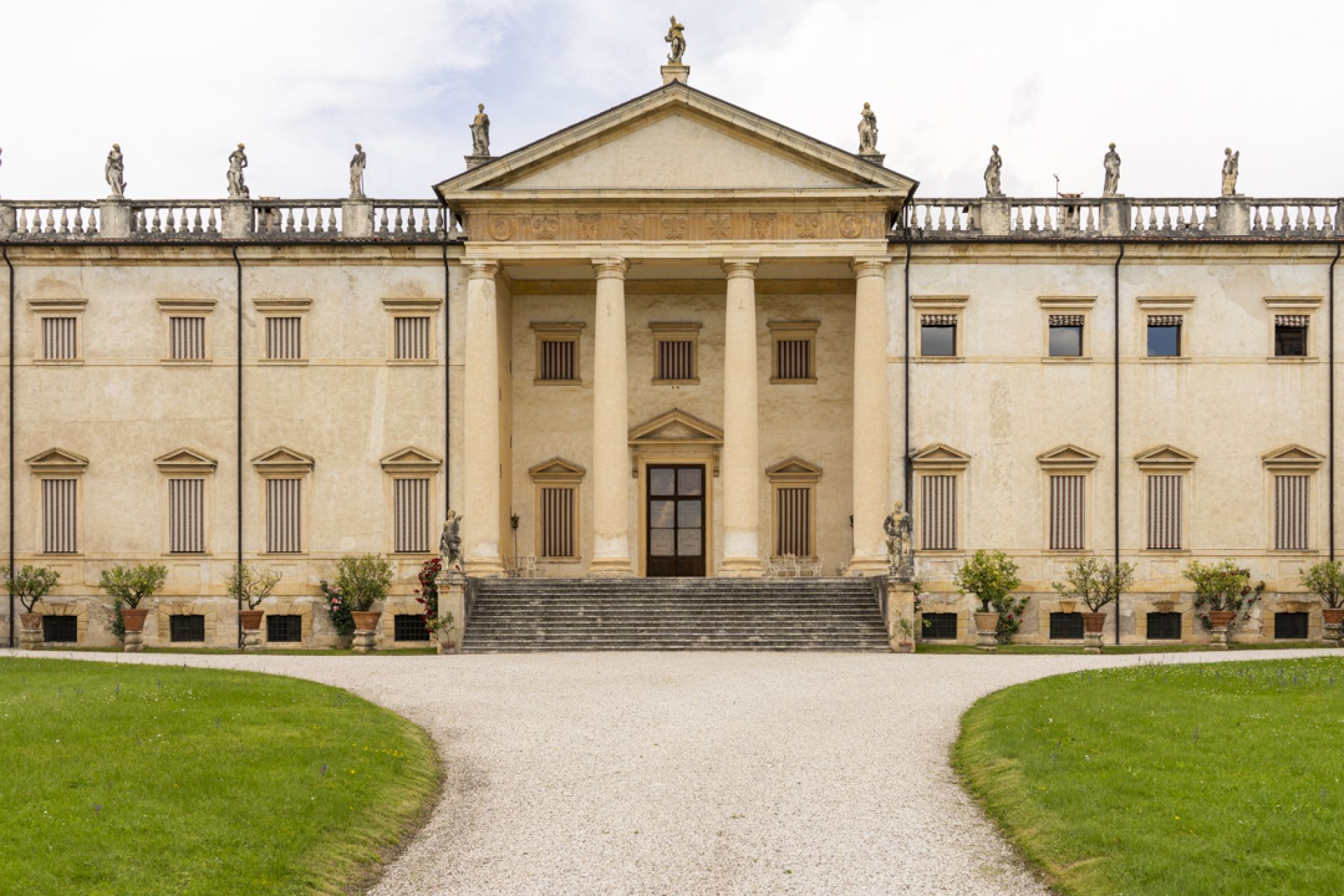
If we move to the adjacent Mezzane Valley, we find Mezzane di Sotto (2508 inhabitants) with the hillside hamlets of Mezzane di Sopra, to the east, and Castagnè, to the west. The town boasts prehistoric origins: around the 2nd millennium B.C., Paleovenetian populations settled here, later giving way to the Romans. Over the centuries, it hosted the summer residences of numerous aristocratic families, attracted by the pleasant surroundings and lush nature. Among them are Villa Roja Schiavon, Villa Maffei Benini, Villa Giuliari Erbici and Villa della Torre. The former is located at the beginning of the town. It has an 18th-century layout and was owned by the Misericordia nuns who made it a hospice. The second is in the centre of the village and is the current seat of the municipal administration. The latter is an elegant building from the early 18th century, commissioned by Count Carlo Maffei (1706), frescoed by the Veronese Andrea Porta (1719-1805) and surrounded by a large garden full of statues and a beautiful century-old magnolia tree.
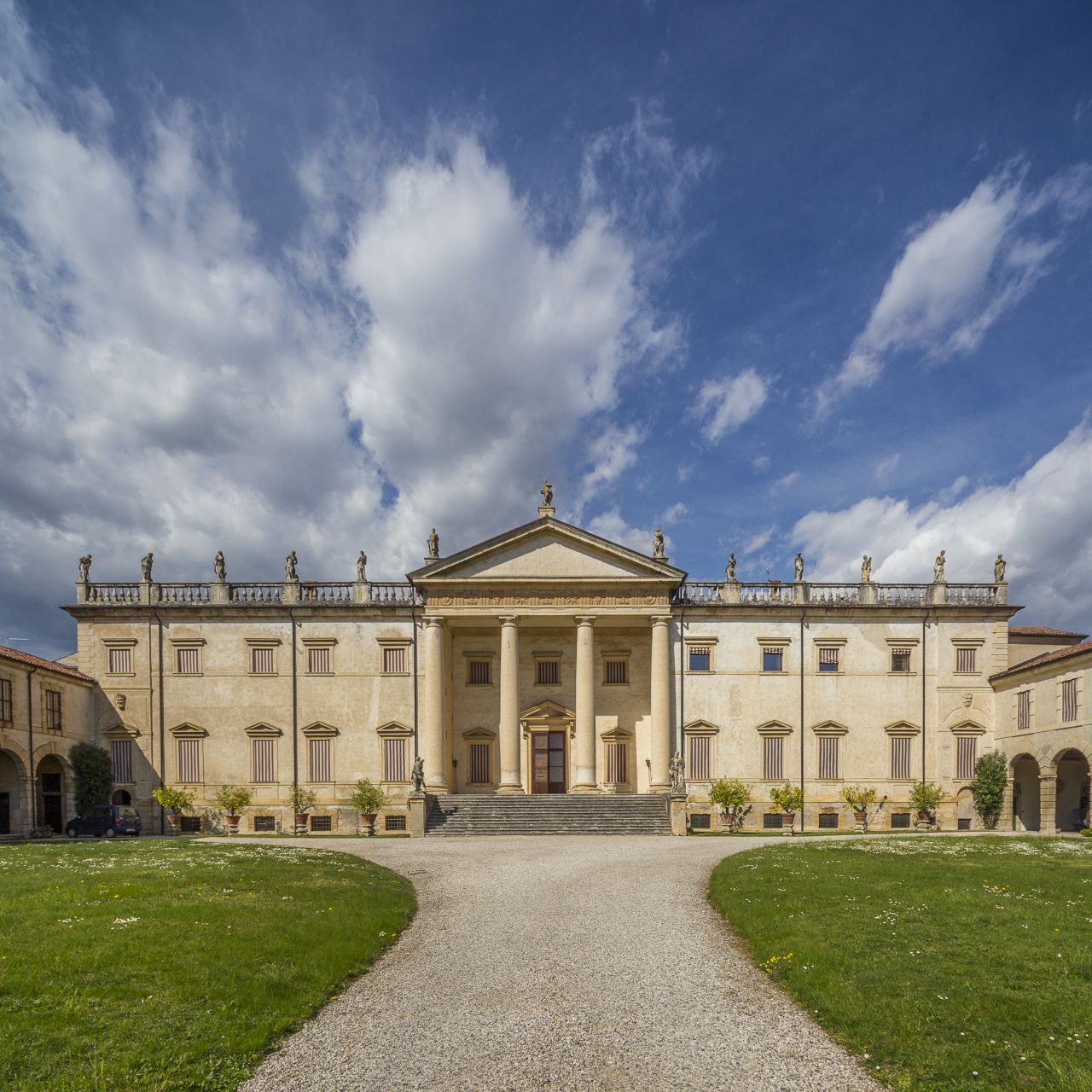
Continuing along the northern provincial road towards San Mauro, one encounters a number of beautiful villas, unfortunately not easily accessible to the public. Among them is Villa Giuliari Erbici, built in different phases: the 15th-century portico and turret, the manor building, which preserves a fresco by Paolo Farinati in a hall on the ground floor in the 16th century, and the turret on the right side in the 18th century. Lastly, we find Villa della Torre (today Tommasi), which took on its current Palladian appearance during the 16th century. The building houses an extraordinary cycle of allegorical and mythological frescoes by Paolo Farinati and his sons Orazio and Gianbattista, commissioned by Alvise della Torre, and wonderful stuccoes by Bartolomeo Ridolfi.
The exterior with garden, botanical garden, lemon house and fishpond is unique.
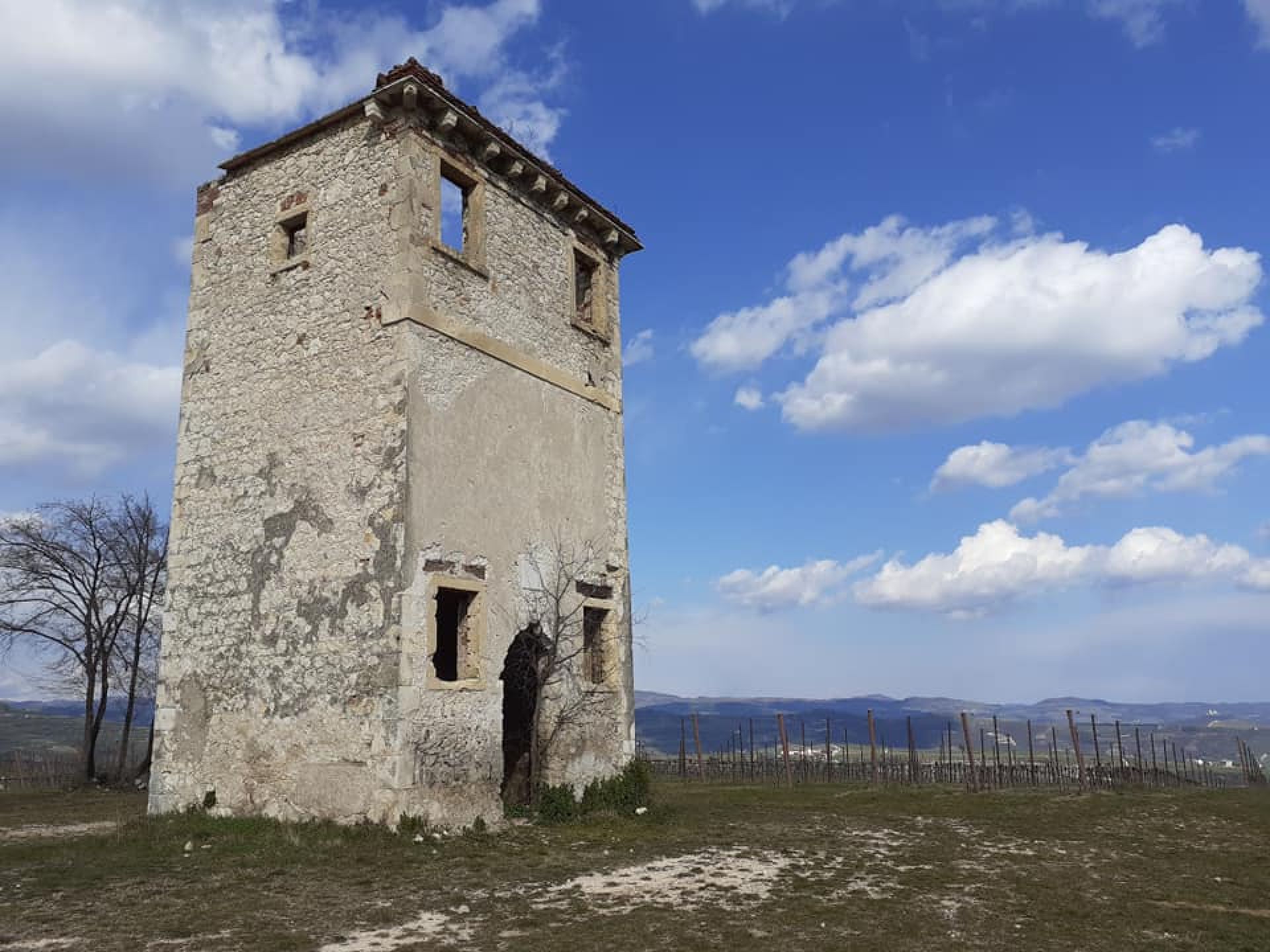
The symbol of the town is the Romanesque tower, originally the bell tower of the old 12th century parish church that stood in the area in front of it. Another important town building is the parish church of Santa Maria Assunta, built between 1871 and 1889 to a design by Angelo Gottardi. Inside are paintings by Antonio Girola, Claudio Ridolfi, Giovanni Caliari and Girolamo Dai Libri.
Photogallery